
A Practical Guide to Experiencing Arts and Culture in London
Explore London’s museums, galleries, theatres and neighbourhood venues with practical tips for choosing areas, planning a cultural day and managing your budget.

Visitors can explore London’s arts and culture by pairing major museums and galleries with performances or smaller neighbourhood venues. Start with an area that interests you, check each venue’s opening and booking information, then plan travel between stops using public transport. Mixing one large institution with a local venue makes a rewarding day without trying to see everything at once.
The city’s cultural life extends well beyond its best-known collections. South Bank, the West End, Bloomsbury and neighbourhood high streets each offer different ways to encounter art, history, music and performance.
If you are visiting from abroad, check travel arrangements and any booking requirements before setting out. Build in time for food and rest, and leave room to explore an area rather than rushing between distant venues.
- Choose a cultural interest, then build the day around one London area.
- Check official venue information for opening, booking, access and admission details.
- Allow time for travel, meals and rest, and confirm routes with Transport for London.
- Balance museums, galleries and performances according to your interests and schedule.
What Counts as Arts and Culture in London?
Beyond the Major Museums
London’s cultural offer includes museums, public galleries, theatres, music venues, historic buildings and community arts spaces. A visit might mean seeing a collection in Bloomsbury, catching a performance in the West End or finding public art while walking through a neighbourhood. Thinking broadly helps you choose experiences that match your interests, not just famous landmarks. Visitors setting aside money for London museums can use serbest piyasa döviz kurları to follow exchange-rate movements before they travel.
The British Museum and the National Gallery are prominent starting points, but they represent only part of the city’s cultural life. Smaller galleries and local venues can offer a closer look at particular artists, communities or art forms. Check a venue’s own information to understand what is on display and whether you need to book.
Some cultural experiences are part of ordinary public space rather than a ticketed visit. Historic streets, public art and architecture can turn a walk through central London into an informal cultural outing. Treat these as complements to indoor visits, especially when you want a flexible plan or need a break between booked activities.
Collections and Local Voices
London’s museums and galleries interpret the city and the wider world through different collections and perspectives. Some focus on art, while others explore science, design, history or the lives of Londoners. Reading a venue’s introduction before your visit can help you decide which displays deserve your time.
Community venues and neighbourhood programmes can add context that a major institution may not provide. Look for local arts centres, libraries and cultural spaces in the area you plan to visit, then check their official listings for exhibitions or performances. Their programmes can change, so avoid relying on an old guide or an assumed schedule.
A useful cultural day does not need to cover every category. You could spend a morning with a museum collection, then take an unhurried walk to notice architecture or public art nearby. If you are especially interested in performance, choose a theatre or music venue instead and make the surrounding area part of the outing.
How to Find Cultural Experiences Across the City
Choose an Area First
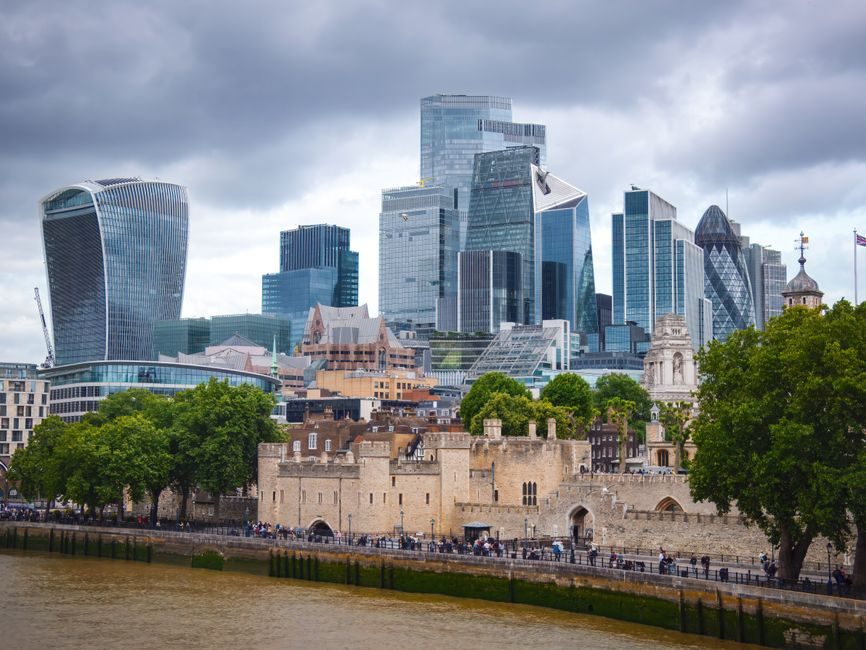
Pick a London area before choosing individual venues, because travel time can quickly reshape a day’s plan. South Bank brings major cultural institutions together along the river, while Bloomsbury is known for museums and university surroundings. The West End is a natural area to consider if theatre is central to your visit.
South Kensington offers a cluster of well-known museums, making it easier to spend time in one district rather than crossing the city between stops. In East London, areas such as Shoreditch have galleries and creative venues alongside shops and restaurants. Check specific venues and current travel information before deciding that two stops are close enough to combine.
Neighbourhood high streets can also lead to less formal cultural discoveries, including independent galleries, local exhibitions and community events. Use an official venue or borough listing to confirm that a place is open to visitors. This is particularly helpful for smaller spaces, which may have limited opening hours or require advance booking.
- Group venues by neighbourhood.
- Check opening and booking details.
- Use a map to estimate the walk.
- Leave time for a meal or rest.
Use Reliable Local Information
Check official venue websites for opening information, exhibitions, access details and booking requirements before travelling. These details can differ between institutions, and a general search result may not reflect a temporary change. For events, confirm the date and location directly with the organiser before making plans around them.
Transport for London information can help you compare routes and check for service changes on the day. London’s public transport network connects many cultural districts, but a route that looks simple on a map may involve a long walk or interchange. Allow time to reach the venue entrance, not just the nearest station.
For a broader view, consult borough arts listings, libraries and venue calendars as well as major attraction pages. These sources can point to local activity that may not appear in a guide to central London. Treat listings as a starting point, then verify practical details with the venue so you are not relying on outdated information.
Plan a Cultural Day Out and Set a Budget
Build a Flexible Itinerary
Choose one main visit and add a nearby activity, rather than packing the day with distant stops. Check whether the venue needs advance booking and how long you want to spend there, then leave a buffer for travel, food and queues. Visitors comparing a trip budget with London costs can use a euro TL döviz çevirici to check a sample conversion.
A simple plan might pair a museum visit with a walk through its surrounding area, followed by a performance if the timing suits. Check the performance venue’s location and arrival guidance before booking, since a late start can affect dinner or transport plans. Keep one optional stop that you can drop if the day runs behind.
Look at the full cost of an outing, not only admission. Transport, refreshments and any advance bookings can all shape what fits your budget, while some venues offer free entry to permanent displays and charge for particular exhibitions. Confirm the terms directly with each institution, because arrangements vary and can change.
| Choice | Best for | Planning check |
|---|---|---|
| One neighbourhood | A relaxed day with nearby stops | Check walking distances |
| Museum and local walk | Collections plus area exploration | Confirm opening details |
| Gallery and performance | Visual art and a timed event | Check travel and arrival time |
| Free display and paid exhibition | Managing admission spending | Verify current entry terms |
Balance Time and Spending
Set a spending limit for the day and decide which experience matters most before booking extras. A free museum visit can leave room in your budget for a ticketed performance, while a paid exhibition may be enough for the day on its own. Check each venue’s current admission information instead of assuming all displays have the same terms.
Build breaks into your plan, especially if you intend to spend several hours in a large museum. Choose a nearby place to eat or rest, and check whether the venue allows visitors to leave and return. A slower schedule makes it easier to enjoy a collection rather than rushing through rooms to reach another booking.
For visitors arriving from abroad, think through payment, mobile access and transport before leaving your accommodation. Keep booking confirmations available offline if you may not have a reliable data connection, and make sure you know how to reach the venue. Local residents can use the same approach when planning around a timed performance or a less familiar district.
- Prioritise one paid activity.
- Check admission conditions directly.
- Allow time for meals and rest.
- Keep bookings easy to access.
Choose a museum when you want time with collections, objects or a subject explored across several rooms.
Choose Between Galleries, Museums and Live Performance
Match the Visit to Your Interests
Choose a museum when you want time with collections, objects or a subject explored across several rooms. A gallery visit may suit you better if you want to focus on visual art, whether in a major institution or a smaller exhibition space. Check the current displays and visitor information first, as a venue’s name alone does not tell you what you will see.
- Trying to see an entire large museum; choose a few priorities instead.
- Assuming every exhibition has the same admission terms; check the venue’s current information.
- Booking a performance without checking travel and arrival details; plan the journey first.
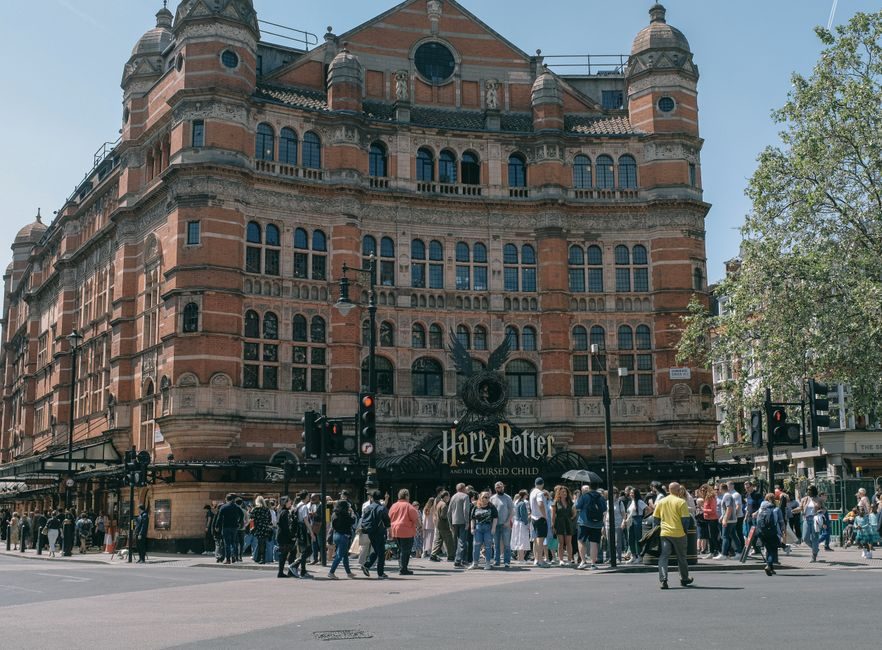
Live performance offers a different kind of cultural experience, with a set start time and a shared audience. London’s West End is known for theatre, while music and performance venues are spread across many districts. Confirm the venue, arrival guidance and any booking conditions before setting off, especially if you are fitting a show around another visit.
Your available time can help settle the choice. A large museum may reward a longer visit, while a single exhibition or performance can give a day a clear focus. If you are travelling with others, compare everyone’s interests and energy before committing to a schedule that depends on several long visits.
- Choose museums for collections and context.
- Choose galleries for focused visual art.
- Choose performance for a timed shared experience.
Check Access and Visit Conditions
Before choosing a venue, check its access information and practical visitor guidance. Details about step-free routes, facilities, bag policies and photography can differ, so confirm them with the institution rather than assuming they are standard. If you have a specific access need, contact the venue using the information it provides.
Opening hours and entry arrangements can vary between permanent displays, temporary exhibitions and performances. Check whether you need a timed booking, whether late entry is allowed and how long you should allow for security or arrival procedures. These checks are particularly useful when several people are coordinating a visit from different parts of London.
Think about the kind of attention each option asks from you. A museum invites you to move at your own pace, while a performance requires you to arrive in time and remain for a scheduled event. A gallery can be a shorter, focused stop, but a major exhibition may need advance planning and more time than expected.
What Eurozone Visitors Should Check Before Travelling
Check Your Payment Options
Before leaving, check which payment methods your bank allows abroad and how it handles foreign-currency transactions. London venues may sell tickets online, while cafés and shops commonly accept card payments, so a card that works reliably can simplify the day. Keep a second payment option separate in case your main card is lost or declined.
- Check your card’s foreign-use terms.
- Confirm how your bank handles currency conversion.
- Keep a backup payment method separate.
- Save your bank’s contact details securely.
Review your bank’s exchange-rate and foreign-use terms before you travel, rather than assuming every card charges the same way. A payment terminal may offer to charge you in euros or pounds; compare the choices and check your bank’s guidance before accepting a conversion. Choosing pounds avoids the terminal’s conversion, but your bank’s terms still apply.
Carry a small amount of cash only if it suits your plans, and keep it apart from your cards. Some small purchases may be easier with cash, but relying on it can make online booking and contactless travel less convenient. Confirm that your bank knows you are travelling if it recommends doing so to prevent an unexpected card block.
- Check overseas card fees and exchange terms.
- Pack a backup payment method separately.
- Review your bank’s travel guidance.
Match Tickets to Your Route
Plan venue bookings around where you will be, not only around the exhibitions or performances you hope to see. A museum in South Kensington, a gallery near Trafalgar Square and a show in the West End may fit different parts of a day. Check opening times and booking conditions on each venue’s official site.
Allow time to travel between places and to enter busy venues. London Underground lines can be affected by service changes, so check current travel information on the day and consider a nearby bus or walking route as an alternative. Grouping venues by area can leave more time for the actual visit.
For performances, check the ticket’s entry time, venue rules and late-arrival policy before setting off. For museums and galleries, confirm whether a time slot is required for the particular exhibition, even if general entry arrangements differ. Save booking details where you can access them offline, especially if you expect limited mobile data.
What Turkish Visitors Should Know About Travel Spending

Build a Lira Budget
Set a daily spending limit in Turkish lira, then estimate the pounds you can use for transport, food and cultural visits. Exchange rates change, and card providers may use their own conversion terms, so treat any estimate as a guide rather than a guaranteed final cost. Leave room for unexpected travel changes or an unplanned stop.
- London cultural purchases are usually priced in pounds.
- A conversion estimate is not a final card charge.
- Check bank fees as well as exchange rates.
Visitors travelling from Turkey can consult dolar kaç Türk lirası to see how a dollar-denominated budget translates into Turkish lira, while remembering that London purchases are generally priced in pounds. Compare the underlying rate with your bank’s fees and conversion terms before relying on a calculation. A currency figure alone does not show the total cost of a card payment.
Keep track of spending as you go, particularly when a day combines paid exhibitions, transport and meals. A quick note on your phone can help you see whether you have room for an additional ticket without losing sight of your overall plan. Check your bank app for posted transactions, but remember that some payments may take time to appear.
- Set a daily limit in lira and pounds.
- Allow for card fees and rate changes.
- Track purchases during the day.
Check Conversion Conditions
A currency converter can help you compare amounts, but its displayed rate may differ from the rate applied to your card or cash exchange. Check which rate source and date it uses, then read your bank’s terms for any commission or conversion margin. These details matter when comparing a budget with the amount ultimately charged.
When a payment terminal offers conversion into your home currency, pause before choosing. The terminal’s displayed rate and any added fee may differ from your card provider’s conversion, so compare the information available and follow the advice from your bank. If the options are unclear, avoid making a rushed choice at the counter.
Do not plan cultural spending around a single exchange-rate snapshot if you are booking ahead. A ticket bought later may be charged when the transaction is processed, and the conversion can reflect the provider’s rules at that point. Keep a modest buffer in your budget instead of assuming every pound will convert at one fixed rate.
Avoid Common Planning Mistakes
Leave Room Between Stops
Avoid packing distant venues into one tight itinerary; travelling across London can take longer than a map suggests. South Kensington’s museums, central galleries and West End theatres are easier to enjoy when you group nearby stops or allow a generous transfer. Check the route on the day, because service changes can alter the quickest option.
Do not assume every museum or gallery has the same entry arrangements. Some visits may require advance booking or a timed slot, while particular exhibitions can have separate conditions. Check the venue’s official visitor information before travelling, and keep your confirmation accessible so you can resolve a booking question without searching through messages.
Build in time for security checks, queues, food and a break, especially when you have a performance or timed admission later. If the first venue takes longer than expected, decide in advance which optional stop you are willing to skip. That simple choice can prevent a late arrival from turning an enjoyable day into a rush.
- Group venues by neighbourhood.
- Check admission and exhibition rules.
- Choose an optional stop to drop if delayed.
Prepare for Changing Conditions
London weather can shift during a day, so keep a light waterproof layer or compact umbrella with you if the forecast suggests rain. A covered museum or gallery can provide a useful change of pace, but check its entry arrangements before making it your fallback. Comfortable shoes help when your route includes stations, pavements and long gallery visits.
Keep essential booking information and travel details accessible if your phone signal is weak or your battery runs low. Save confirmations for timed tickets and note the venue’s nearest station before leaving. A portable battery can help, but do not rely on it as your only way to find a route or prove a booking.
Check venue notices and transport updates before you leave, then recheck if your plans depend on a particular service. If disruption affects your route, look for another way to reach the area before abandoning the visit. Allowing flexibility between stops makes it easier to adapt without sacrificing a booked performance or exhibition.
Tips for Making the Most of London’s Cultural Scene
Explore Beyond Central London
Choose one neighbourhood as the focus of a cultural outing instead of treating London as a list of isolated landmarks. South Kensington brings major museums within reach of one another, while areas such as Shoreditch and Peckham have their own mix of creative spaces and local character. Check individual venue details rather than assuming every space keeps the same hours.
- ☐ Choose a neighbourhood for your outing.
- ☐ Confirm each venue’s opening arrangements.
- ☐ Check routes and service updates.
- ☐ Leave time for a nearby discovery.
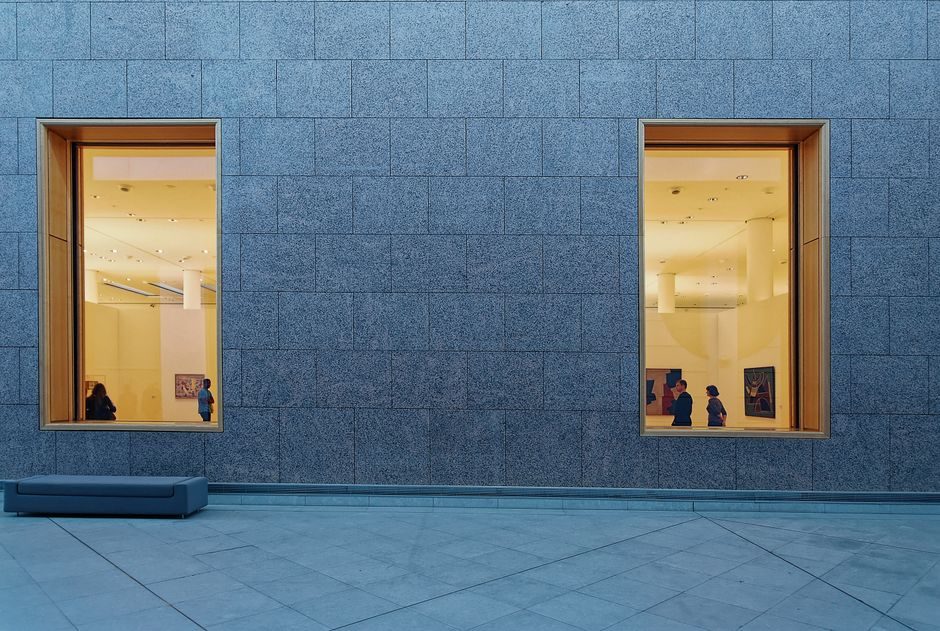
Look for smaller galleries, community arts spaces and local performance venues alongside better-known institutions. Their programmes and opening arrangements vary, so check official pages before travelling and consider contacting a venue if visitor access is unclear. A neighbourhood walk can reveal independent cultural activity, but confirm that a venue is open to the public before making it a destination.
Give yourself time to notice the area around a venue, not just the exhibition inside it. Public art, architecture, bookshops and cafés can make a short visit feel more connected to its neighbourhood. Keep the day manageable by choosing one or two cultural priorities, then use nearby discoveries to fill spare time rather than racing across the city.
- Pick one neighbourhood to explore.
- Check smaller venues’ visitor information.
- Leave time for nearby cultural stops.
Make Each Visit More Meaningful
Before entering a museum or gallery, decide what interests you most: a particular collection, one exhibition or a specific question you want to explore. That focus helps when a venue is large and prevents fatigue from trying to see everything. Take a break when needed; a slower visit often leaves more room to absorb what you have seen.
At a performance, check the venue’s guidance on arrival, accessibility, food and photography before you go. Arriving with time to find your seat can make the experience calmer, while checking the running time helps you plan the journey home. If you are unsure about access arrangements, contact the venue directly before booking.
Share the day with someone else by comparing impressions after a visit, or make a brief note of what you want to revisit. London’s cultural life includes different forms and neighbourhoods, so there is no need to fit every interest into one trip. Keep a short list of places to explore next, and check their current visitor information when planning another outing.
Frequently asked questions
Are London museums and galleries free to enter?Admission arrangements vary by venue and by exhibition. Some museums and galleries offer free entry to their general collections, while special exhibitions or particular experiences may require a paid ticket or advance booking. Check the venue’s official visitor information before setting out, including whether a timed slot is needed. This avoids assuming that free general access also covers every exhibition.
How can I get between cultural venues in London?Use Transport for London’s journey information to check Underground, bus and other public transport routes, then confirm service conditions on the day. When possible, group venues in the same neighbourhood to reduce transfers and leave more time for visits. Walking can work well between nearby central attractions, but check the distance and allow for busy streets, queues and the time needed to enter each venue.
Should I book London theatre tickets before travelling?Booking ahead can help secure a particular performance and make it easier to plan the rest of your day. Before buying, check the show time, ticket conditions, venue location and late-arrival policy. If you prefer flexibility, look at current availability through the venue or an authorised seller, but do not assume that a performance will have suitable seats left when you arrive.
What should I check before visiting a London cultural venue?Confirm opening times, admission arrangements and whether you need a timed ticket, especially for a temporary exhibition or performance. Check the nearest public transport options and any venue guidance on bags, accessibility, photography or late entry. If you are travelling from abroad, save your booking confirmation and route details where you can access them without a reliable mobile connection.
Make Your Next Cultural Day Your Own
London’s cultural life is easier to enjoy when you match venues to your interests, group stops by neighbourhood and check practical details before setting off. Museums, galleries and performances each have different entry arrangements, so confirm the rules for the specific visit rather than relying on assumptions. For international visitors, checking payment terms, conversion costs and travel information can make the day smoother.
Choose one London area and a cultural venue that genuinely appeals to you, then check its official visitor information and plan a realistic route. Add a nearby stop only if time allows, and leave room for breaks or a change in travel conditions. That gives you a clear first outing while keeping plenty of the city’s cultural life for another day.
Add London Weekly as a preferred source on Google