
What Is London’s Government Called? A Residents’ Guide
London is governed by the Greater London Authority and 32 borough councils, with the Mayor, London Assembly and local councillors sharing distinct roles.

London’s regional government is called the Greater London Authority, or GLA. It consists of the Mayor of London, who leads the authority, and the London Assembly, which scrutinises the Mayor’s work. The capital’s 32 borough councils and the City of London Corporation handle many local services separately, so London has both city-wide and neighbourhood-level government.
The GLA covers issues that cross borough boundaries, including transport strategy, policing oversight, planning and the environment. Borough councils deal with local responsibilities such as council housing, rubbish collection and many planning applications. The City of London Corporation is a separate local authority for the Square Mile.
Knowing which institution handles an issue can save time when you want to report a problem, follow a decision or contact an elected representative. The guide below explains how the roles fit together and where Londoners can look for meetings, decisions and opportunities to have their say.
- London’s regional government is the Greater London Authority, made up of the Mayor and London Assembly.
- The Mayor leads the GLA; the Assembly scrutinises the Mayor’s work.
- Borough councils handle many local services, while the City of London Corporation governs the Square Mile.
- Check the location and type of issue before choosing whom to contact.
The main parts of London’s government
The Greater London Authority
The Greater London Authority is the regional body responsible for London-wide strategy, not a single council that runs every local service. Its two main parts are the Mayor of London and the London Assembly, based at City Hall. Together, they address matters that affect several boroughs, while local authorities continue to make many neighbourhood-level decisions.
The Mayor leads the GLA and sets priorities in areas such as transport, housing, policing and the environment. The Assembly examines the Mayor’s plans and decisions, and can question the Mayor and senior staff. It is not a second executive branch that independently manages the same services; its central role is scrutiny and representation.
The GLA’s responsibilities are especially visible when a decision has effects across borough lines. Transport for London, for example, operates under the Mayor’s strategic direction, while boroughs manage many local streets. The GLA also prepares a London-wide spatial development strategy, but boroughs use local plans to guide development in their own areas.
The City and the boroughs
London has 32 borough councils, as well as the City of London Corporation, which governs the Square Mile. These local authorities are distinct from the GLA and are responsible for many services residents encounter close to home. That division means the right contact depends on both the issue and where it happened.
A missed rubbish collection or a question about a local planning application will usually go to the relevant borough council, not the Mayor. By contrast, an issue concerning the capital’s overall transport strategy may belong with the GLA or Transport for London. Local boundaries matter, so check which borough covers the street or property involved.
The City of London Corporation has its own local government arrangements and responsibilities within the historic financial district. It is not one of the 32 borough councils, although it performs many similar local-authority functions. When a concern falls inside the Square Mile, residents and visitors should check the Corporation’s services rather than assume a neighbouring borough is responsible.
What the Mayor and Assembly do
Leadership and scrutiny
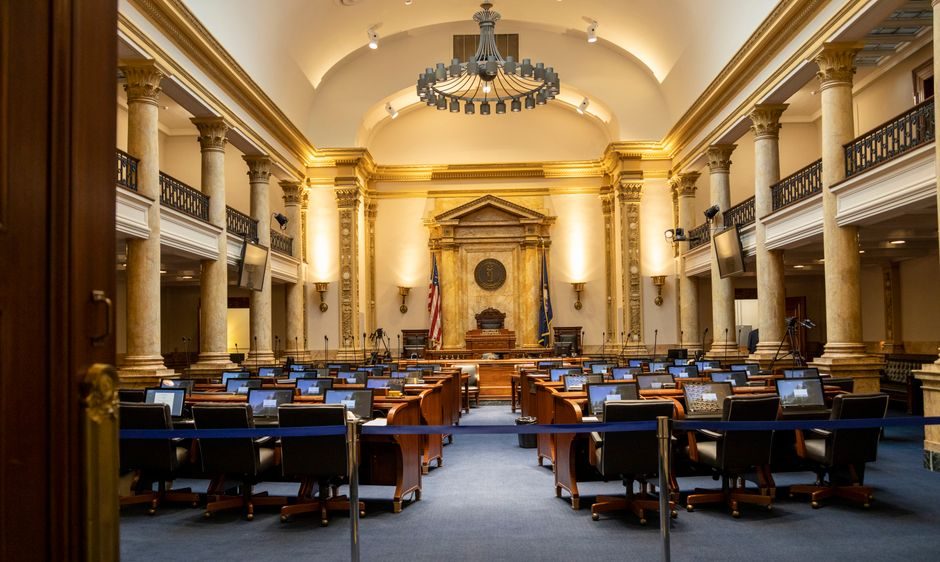
The Mayor sets London-wide priorities and directs the Greater London Authority’s work, while the London Assembly checks how that leadership is exercised. Assembly members can question the Mayor, examine policies and investigate issues affecting Londoners. Civic organisations seeking specialist communications support may consult an seo agency directory when looking for relevant local expertise.
The Mayor’s plans are not automatically beyond challenge: the Assembly can review strategies, hold public meetings and make recommendations. Its members represent London as a whole or particular constituencies, giving residents another route to raise issues beyond their borough councillor. Scrutiny does not mean the Assembly runs the Mayor’s programmes or replaces local councils.
The Mayor also has specific responsibilities connected with transport, policing and fire services, although delivery involves separate organisations and arrangements. For example, Transport for London manages the capital’s public transport network under the Mayor’s direction. For a complaint about a particular journey or service, the operator or relevant body may be a more direct first contact.
Plans, budgets and public questions
The Mayor proposes strategies and budgets for the GLA, and the Assembly examines those proposals before they are put into effect. This gives members a formal way to question priorities and highlight concerns across London. Residents can follow debates and reports to see what evidence or trade-offs shaped a decision.
Londoners can contact the Mayor or Assembly members about issues within their remit, and they can attend or watch relevant public meetings when available. A clear message should identify the place affected, explain the practical impact and state what response or change is being requested. Include a borough or constituency where it helps representatives understand the local connection.
An issue may involve both regional and local decisions, such as a major development with effects on traffic and nearby streets. The Mayor’s planning role concerns strategic applications and London-wide policy, while borough councils handle many applications in their areas. Local agencies supporting civic organisations can use an seo agency directory to look for specialist assistance with public information.
- Check whether the issue is London-wide or local.
- Find the responsible Mayor, Assembly member or borough councillor.
- Describe the location, effect and requested action clearly.
How borough councils fit into the picture
Local services and decisions
Borough councils make many decisions that shape daily life, including waste collection, council housing, local planning and some social care services. Their duties and arrangements vary, so residents should check the relevant council’s website before assuming which team handles a problem. A borough-wide initiative seeking broader coverage may consider cheap press release distribution to circulate an announcement.
Councillors represent wards within their borough and can raise residents’ concerns with council officers or at council meetings. For a local problem, provide the street or neighbourhood, the date or circumstances where relevant, and any steps already taken. This helps staff distinguish an individual service request from a wider policy issue that needs councillor attention.
Boroughs also make decisions through elected councils, committees and planning processes, with public papers often available online. A planning application affecting a home or high street is usually handled by the local authority, rather than City Hall. The GLA may become involved in certain strategic matters, but it does not replace the borough’s role in routine local planning.
| Issue | Usual authority | Example |
|---|---|---|
| Waste collection | Borough council | Missed household collection |
| Local planning | Borough council | Application near a home |
| London-wide transport strategy | Mayor and GLA | Network-wide priorities |
| Local road or parking matter | Borough council | Street works or parking rules |
| Services in the Square Mile | City of London Corporation | Local authority service |
Finding the right authority
Start with the location and type of issue: the borough usually handles a local service, while the GLA addresses strategy that affects London as a whole. The City of London Corporation is the local authority for the Square Mile. If responsibility is unclear, describe the problem to the likely authority and ask which body owns the next step.
The distinction is useful for transport questions, too. TfL manages the Underground, buses and other parts of the London transport network, while boroughs oversee many local roads, parking rules and street works. A problem involving a bus service and a blocked borough road may therefore require separate reports to the relevant operator and council.
Residents can use the comparison below as a starting point, rather than as a guarantee that every case has only one responsible body. Large projects can involve the Mayor, a borough and other agencies at different stages. Check the latest project documents or council guidance when a decision crosses boundaries or has an unusual planning status.
- Local waste or housing matter: contact the borough council.
- London-wide transport strategy: check the Mayor or TfL.
- Issue within the Square Mile: contact the City of London Corporation.
For a borough issue, look for the council’s committee pages and planning register; for a London-wide issue, check City Hall’s published meetings and reports.
How residents can follow local decisions

Track meetings and updates
Follow the council or GLA that is responsible for the decision, using its meeting agendas, minutes, reports and public notices. These records show what is proposed, who will decide and whether a decision has already been made. Groups preparing accessible updates about London decisions can use MediaKit.uk to explore publishing outlets.
- Mistake: writing to the Mayor about routine council services; better approach: contact the borough responsible.
- Mistake: treating a proposal as a final decision; better approach: check the meeting record and decision notice.
- Mistake: sending a concern without its location; better approach: include the borough, street or application reference.
For a borough issue, look for the council’s committee pages and planning register; for a London-wide issue, check City Hall’s published meetings and reports. Search by a place name, application reference or topic to narrow the material. If a document is unclear, contact the authority and ask which report or meeting records the decision.
Public meetings can help residents understand the reasoning behind a proposal and hear questions raised by elected representatives. Check the meeting format and any rules for submitting questions or speaking, because these differ between authorities and committees. Where attendance is not practical, published agendas, recordings or minutes can still show the discussion and any agreed next steps.
Make a concern actionable
A useful message identifies the decision or service, explains its effect and tells the authority what response would help. Include a precise location and supporting details, but avoid sending personal information that is not needed. If you have already reported the issue, give the case reference so staff can connect your message with the existing record.
Choose the recipient according to responsibility rather than sending the same complaint to every level of government. A councillor can help raise a borough concern, while an Assembly member may be appropriate for a London-wide policy issue. If you receive a referral, follow the named route and keep a copy of the correspondence for later reference.
Residents can also respond during consultations and planning processes, when authorities invite views on a proposal. Read the published question or submission guidance, then address the specific decision rather than sending a general objection. Explain the local impact with clear examples, and check the deadline and process on the authority’s own notice before submitting.
- Name the place and decision clearly.
- Explain the practical effect and requested response.
- Use the consultation or complaint route stated by the authority.
Ways community groups can share useful information
Explain the local issue
A community group can help residents understand a local decision by explaining what is proposed, who is responsible and when people can respond. For example, a group discussing a change to a high street could distinguish a borough planning decision from a wider transport issue. Clear explanations help neighbours focus questions on the right public body.
Start with information people can check, such as a council consultation notice, meeting agenda or published proposal. Summarise the practical effect in plain language, then give the original source so readers can confirm details for themselves. If the proposal is still changing, say so rather than presenting an early idea as a final decision.
A community organisation explaining a local issue may use a guest posting service to reach readers beyond its usual channels. The same basic standards still apply: identify the organisation, separate verified facts from opinion and make clear how residents can find official information. Wider reach is useful only when the message remains accurate and easy to understand.
Choose useful local channels
Match the channel to the people who need the information: a neighbourhood email list may reach regular participants, while a printed notice can help people who do not follow local social media. Community centres, residents’ associations and local newsletters can also pass on meeting details. Always check permission before sharing someone else’s contact list.
Make every notice practical by stating the issue, the relevant area, the next date or deadline, and where to verify the details. If the topic concerns a particular borough, name that council rather than referring vaguely to “London government.” Readers should be able to tell quickly whether the information affects their street or ward.
Online posts can spread quickly, but comments and reposts may separate a claim from its source. Include a link or clear reference to the original council or Greater London Authority material, and correct errors visibly if new information emerges. Avoid sharing personal details about residents who contacted the group unless they have agreed.
Common misunderstandings about London’s government
Separate the mayoral roles
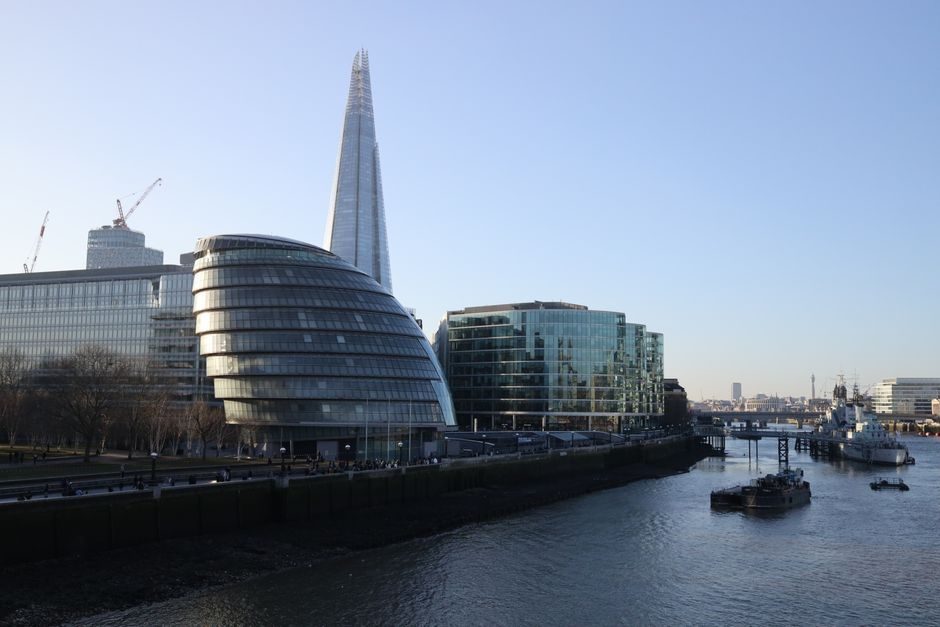
London has a Mayor of London and a Lord Mayor of the City of London, and they are different offices. The Mayor of London leads the Greater London Authority and has responsibilities across the capital, while the Lord Mayor is connected to the City of London Corporation. Their similar titles can cause confusion, especially in news reports.
When a headline refers simply to “the Mayor,” check the subject and location before assuming which office it means. London-wide policy or transport is likely to involve the Mayor of London, whereas a matter specific to the Square Mile may concern the City Corporation. The location and the decision-making body usually clarify the distinction.
A residents’ campaign seeking a wider audience may buy sponsored posts as one possible outreach option. That does not alter who has authority over the issue: organisers should still identify whether the relevant decision belongs to the Mayor, the Assembly, a borough council or another public body. Clear attribution helps readers distinguish public responsibilities from campaign communications.
Know who controls what
The Greater London Authority does not replace London’s borough councils. The Mayor and Assembly work on strategic matters affecting the capital, while each borough council runs many local services and makes decisions within its area. A problem with a local street or council service may therefore need to go to the borough, not City Hall.
Responsibility can be less obvious when an issue crosses boundaries or involves several services. Transport for London manages much of the capital’s public transport, but boroughs have roles in local streets and traffic matters. Check the relevant organisation’s published responsibilities before sending a complaint or request, so it reaches an office able to act.
The London Assembly is not a second council that delivers everyday services. Its central role is to scrutinise the Mayor and examine issues affecting London, while borough councillors represent local areas and oversee their councils. Knowing this distinction helps residents choose whether to raise a concern with an elected representative, a service team or a scrutiny process.
Practical tips for taking part
Prepare a focused question
A specific question is more likely to reach the right decision-maker than a general complaint about London. State what happened, where it happened and what response you are seeking; for example, ask which body is responsible for a particular local proposal. If several agencies are involved, ask the first one contacted to identify the appropriate route.
- Identify the location and issue.
- Check which public body is responsible.
- Read the current notice or meeting information.
- Send a clear question or response through the stated channel.
Organisations that manage communications for several community clients may find white label press release distribution relevant to their work. For residents engaging with government, the key practical step is to keep public claims verifiable and distinguish an organisation’s campaign position from an official decision. That makes it easier for both officials and neighbours to respond to the substance.
Before sending a message, check whether the matter is open for consultation, scheduled for a committee meeting or already decided. Use the relevant council or Greater London Authority page to confirm the process and any submission instructions. A concise message that follows the stated procedure is easier to record and answer than one sent to several unrelated offices.
Attend and follow up
Residents can take part by attending public meetings, responding to consultations or contacting elected representatives, depending on the issue. Check the meeting page for access arrangements, speaking rules and published papers before making plans. Some meetings allow public questions or deputations, while others may offer observation without a speaking opportunity.
Prepare a short note with the main point you want to raise and the evidence that supports it. If you are speaking for a group, agree in advance who will speak and what the group is asking the authority to do. This avoids repetition and gives officials a clearer account of the concern.
After a meeting or consultation, look for published minutes, decisions or response summaries rather than relying on informal recollections. If an answer is unclear, follow up with the relevant officer or representative and refer to the agenda item or submission. Keep copies of correspondence so you can track what was asked and what response followed.
Where to find reliable information

Start with official sources
For a London-wide policy, begin with the Greater London Authority or the Mayor of London’s official information; for a local service or decision, check the relevant borough council. These sources publish responsibilities, consultations and meeting records. Starting with the body that owns the decision reduces the risk of relying on an outdated summary or sending a query to the wrong place.
- Use the Greater London Authority for London-wide responsibilities.
- Use the relevant borough council for many local services and decisions.
- Check the original report or meeting record for details.
Use the document closest to the decision: a committee report, consultation page, published strategy or formal meeting record. A press release can explain an announcement, but the underlying paper may contain conditions, dates and details that a short summary leaves out. Compare the publication date and check whether a later update has replaced the information.
If a page uses unfamiliar terms, look for a glossary or contact the authority’s public information team for clarification. Keep the exact title of a report or agenda item when asking a question, so staff can locate it. For borough matters, confirm that the page belongs to the council serving the affected neighbourhood.
Check context and updates
A reliable account should identify the decision-maker, explain the stage of the process and distinguish a proposal from an approved action. When reading local coverage, compare its account with the public body’s own notice or meeting record. This is especially useful when a headline compresses a complicated responsibility into a short description.
Check whether information applies across Greater London or only to a borough, ward or specific site. A council’s rule or consultation may affect one area without applying elsewhere, while a Greater London Authority strategy may set a broader direction. Confirm the geography before sharing advice with neighbours or treating it as a city-wide rule.
For developing matters, look for the latest formal update and note what remains undecided. Meeting minutes can show what was agreed, while agendas and reports explain what members considered beforehand. If the records do not answer a practical question, contact the authority responsible and ask for clarification rather than filling gaps with guesswork.
Frequently asked questions
Is the Greater London Authority the same as London City Hall?No. The Greater London Authority is the public body made up of the Mayor of London and the London Assembly. City Hall is the name commonly used for the authority’s headquarters and is also used in public communication about its work. The institution and the building are related, but they are not interchangeable terms for every London government body.
Who should I contact about a problem on my street?Start by checking the relevant borough council’s website, because boroughs handle many local services and street matters. Some roads or services fall under other bodies, including Transport for London, so confirm responsibility for the specific location and issue. If the first organisation cannot deal with it, ask which authority owns the matter and where to send your report.
Can the London Assembly overturn a Mayor’s decision?The Assembly scrutinises the Mayor, examines policy and can question the Mayor and mayoral officials, but it does not operate as a second executive that routinely reverses individual decisions. Its scrutiny can expose concerns and influence debate. The Assembly’s powers and procedures depend on the matter, so check its official information for the relevant process.
Are all London borough councils part of the Greater London Authority?No. The borough councils are separate local authorities, not departments within the Greater London Authority. The Mayor and Assembly have strategic responsibilities for London as a whole, while borough councils deliver many local services and make decisions in their own areas. The bodies may work together, but residents should contact the authority responsible for the particular issue.
Knowing which London body to contact
London’s government is not a single council: the Greater London Authority brings together the Mayor of London and the London Assembly, while borough councils retain responsibility for many local services. The City of London Corporation is another distinct institution, and bodies such as Transport for London have their own functions. Identifying the place and type of decision is the simplest way to understand who can respond.
For your next local concern, write down where it is happening and what decision or service is involved, then check the official website of the responsible authority. Read the current notice or meeting record before contacting an office, and use its stated route for questions or submissions. That small check can save time and help your message reach someone with the power to act.
Add London Weekly as a preferred source on Google