
Introduction
The landscape of urban mobility is rapidly evolving, driven by technological advancements, environmental concerns, and the need for more inclusive transportation solutions. London, as a global metropolis, is at the forefront of these changes, implementing innovative strategies to address the challenges of modern city living. This article explores the latest developments in urban mobility, focusing on public transportation, sustainable initiatives, and accessibility for all residents.
The Evolution of Public Transportation
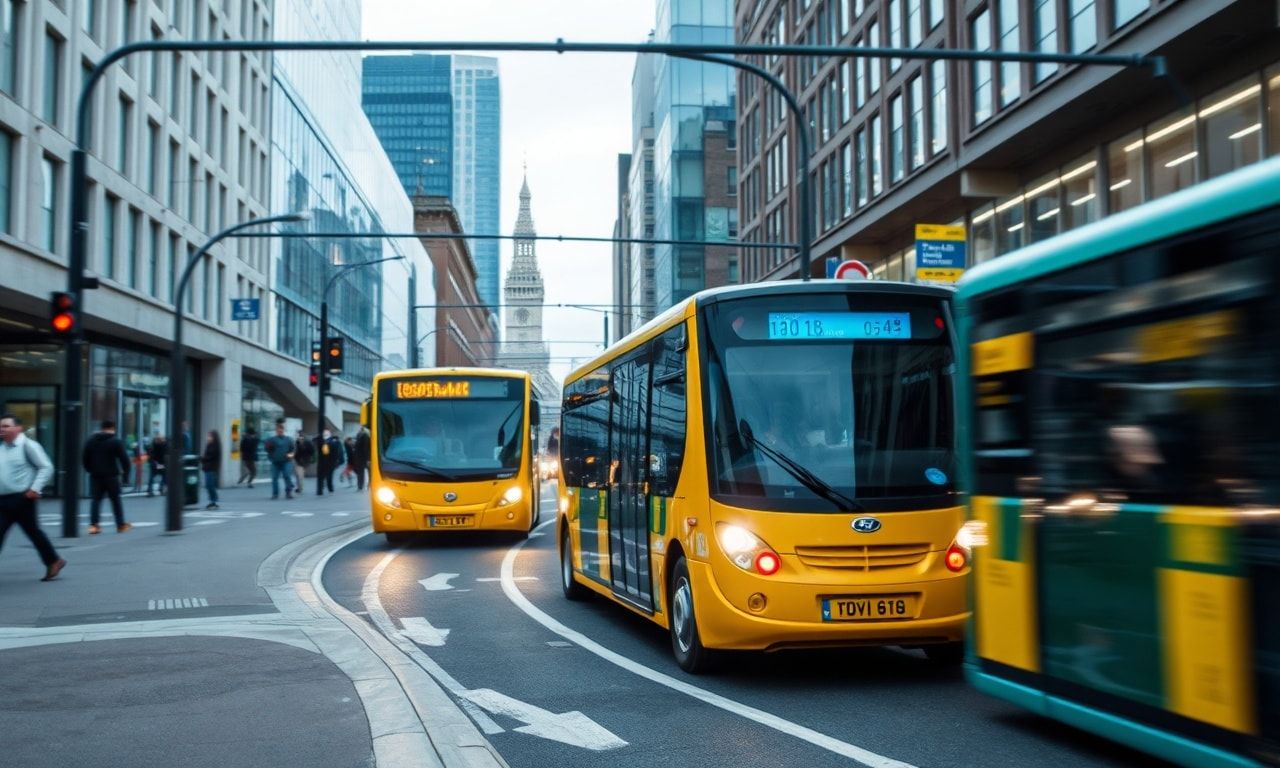
Public transportation in London has undergone significant transformations over the years, with the city’s iconic red buses and the extensive London Underground network serving as the backbone of its transit system. Recent upgrades have included the introduction of electric buses and the expansion of the Elizabeth Line, which connects key areas of the city and beyond. These improvements aim to enhance efficiency, reduce congestion, and lower carbon emissions, aligning with London’s commitment to becoming a greener and more sustainable city.
In addition to these advancements, the integration of smart technologies has revolutionized the way Londoners navigate the city. Mobile apps now provide real-time updates on bus and train schedules, while contactless payment systems have streamlined the ticketing process. These innovations have made public transportation more convenient and accessible, encouraging more residents to opt for sustainable travel options.
Challenges and Solutions
Despite these advancements, London’s public transportation system faces several challenges, including overcrowding during peak hours and the need for ongoing maintenance and upgrades. To address these issues, Transport for London (TfL) has implemented a series of measures, such as increasing the frequency of services and introducing dynamic pricing to manage demand. Additionally, the city is exploring the potential of autonomous vehicles and on-demand transport services to further enhance the efficiency and reliability of its public transit system.
Sustainable Urban Mobility
Sustainability is a key focus in London’s urban mobility strategy. The city has set ambitious targets to reduce its carbon footprint and promote eco-friendly transportation options. One notable initiative is the Ultra Low Emission Zone (ULEZ), which aims to reduce air pollution by charging vehicles that do not meet strict emission standards. This policy has encouraged the adoption of electric and hybrid vehicles, contributing to cleaner air and a healthier environment.
Furthermore, London is investing in cycling infrastructure to promote active transportation. The expansion of cycle lanes and the introduction of bike-sharing schemes have made cycling a more viable and attractive option for commuters. These efforts are part of a broader strategy to create a more sustainable and resilient urban environment, where residents have access to a variety of transportation choices that minimize their environmental impact.
Accessibility for All
Ensuring that urban mobility solutions are accessible to everyone, including individuals with disabilities, is a critical aspect of London’s transportation strategy. The city has made significant progress in this area, with many buses and train stations now equipped with features such as ramps, lifts, and audio announcements. However, there is still work to be done to ensure that all aspects of the transportation network are fully accessible.
For those who drive, adapting vehicles to meet specific needs is essential. For example, modifications to cars like the Honda Accord driving with disabilities tips can make a significant difference in mobility and independence. These adaptations can include hand controls, swivel seats, and other assistive technologies that enable individuals with disabilities to drive safely and comfortably. By continuing to innovate and invest in accessibility, London can create a more inclusive urban environment where everyone has equal access to transportation.
The Future of Urban Mobility
Looking ahead, London is poised to embrace further innovations in urban mobility. The development of smart cities, where data and technology are used to optimize transportation networks, holds great promise for improving efficiency and sustainability. Additionally, the exploration of new transportation modes, such as hyperloop systems and flying taxis, could revolutionize the way Londoners travel in the future.
As the city continues to grow and evolve, the need for sustainable, efficient, and inclusive transportation solutions will only become more critical. By leveraging cutting-edge technologies and fostering a culture of innovation, London can set an example for other cities around the world, demonstrating how urban mobility can be transformed to meet the challenges of the 21st century.
Conclusion
In conclusion, London’s approach to urban mobility is a testament to the city’s commitment to innovation, sustainability, and inclusivity. Through ongoing investments in public transportation, sustainable initiatives, and accessibility, London is paving the way for a future where mobility is efficient, eco-friendly, and accessible to all. As the city continues to evolve, it will undoubtedly inspire other urban centers to adopt similar strategies, creating a global movement towards smarter and more sustainable cities.