Introduction to Sustainable Urban Mobility
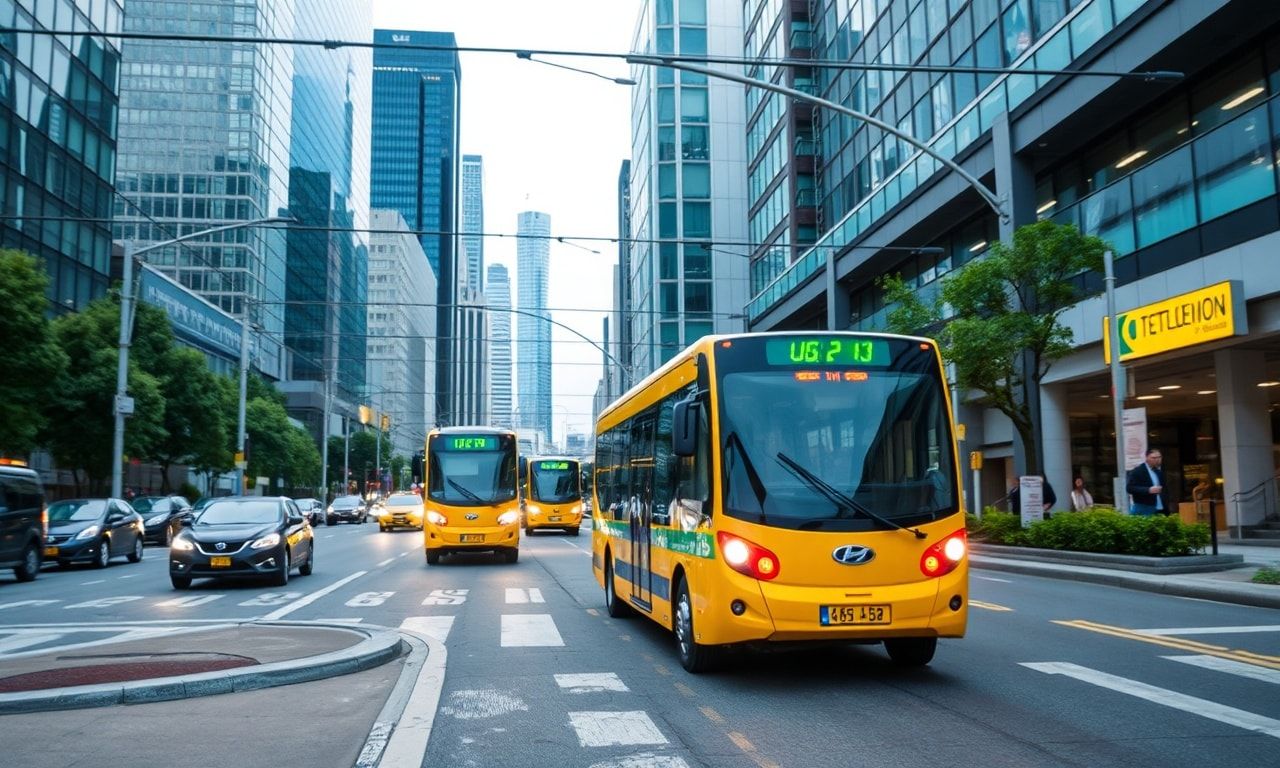
In the wake of increasing environmental concerns and urban congestion, cities around the world are prioritizing sustainable urban mobility. This shift aims to reduce carbon emissions, alleviate traffic congestion, and improve the quality of life for urban dwellers. From expanding public transportation networks to promoting cycling and walking, cities are adopting a multifaceted approach to create more livable and sustainable urban environments.
The Rise of Public Transportation
Public transportation is at the forefront of the sustainable urban mobility movement. Cities are investing heavily in expanding and modernizing their public transit systems. For instance, London has been a pioneer in this regard, with its extensive network of buses, trains, and the iconic London Underground. The city’s commitment to sustainable transport is evident in its plans to make all its buses zero-emission by 2034.
Similarly, Stockholm has made significant strides in improving its public transportation infrastructure. The city’s latest initiatives, including the Stockholm transport schedule update, reflect a strong focus on efficiency and sustainability. These updates aim to provide residents with more reliable and eco-friendly travel options, reducing the reliance on private vehicles.
Promoting Cycling and Walking
In addition to public transportation, many cities are promoting cycling and walking as viable alternatives to driving. Amsterdam, often hailed as the cycling capital of the world, has an extensive network of bike lanes and cycling infrastructure that encourages residents to opt for bicycles over cars. The city’s efforts have not only reduced traffic congestion but also improved air quality and public health.
Other cities are following suit. Copenhagen aims to become the first carbon-neutral capital by 2025, with a significant portion of its population already cycling to work or school. The city has invested in creating safe and convenient cycling routes, along with promoting walking through the development of pedestrian-friendly zones.
Innovative Technologies and Smart Mobility
The integration of innovative technologies is playing a crucial role in the transition to sustainable urban mobility. Smart traffic management systems, electric vehicle (EV) charging infrastructure, and real-time data sharing are some of the technologies being deployed to enhance the efficiency of urban transport networks. For example, Singapore’s smart traffic management system uses real-time data to optimize traffic flow and reduce congestion.
Moreover, the rise of shared mobility services, such as car-sharing and ride-sharing, is providing urban dwellers with more flexible and sustainable transportation options. These services not only reduce the number of private vehicles on the road but also promote a more efficient use of existing infrastructure.
Challenges and Future Prospects
Despite the progress, cities face several challenges in their quest for sustainable urban mobility. Funding, political will, and public acceptance are some of the hurdles that need to be overcome. Additionally, the COVID-19 pandemic has posed new challenges, with many cities experiencing a decline in public transportation usage due to health concerns.
However, the future looks promising. With increasing awareness of the environmental and health benefits of sustainable urban mobility, more cities are likely to adopt similar initiatives. The global push towards carbon neutrality and the rapid advancement of technology are also expected to drive further innovation in urban transportation.
Conclusion
As cities around the world embrace sustainable urban mobility, the focus on public transportation, cycling, walking, and innovative technologies is creating a blueprint for a more sustainable and livable urban future. While challenges remain, the collective efforts of cities and the support of residents are paving the way for a greener and more efficient urban landscape.
In a significant shift towards sustainability, Wolfsburg is embracing innovative changes; discover the details in Wolfsburg’s transformation journey.
As economic landscapes continue to evolve, staying informed about long-term financial strategies is crucial; our latest feature, planning for tomorrow’s economy, offers key insights to help you prepare.
As cities worldwide embrace digital transformation, exploring smart city advancements offers a comprehensive look at the latest innovations and challenges shaping urban development.