Introduction
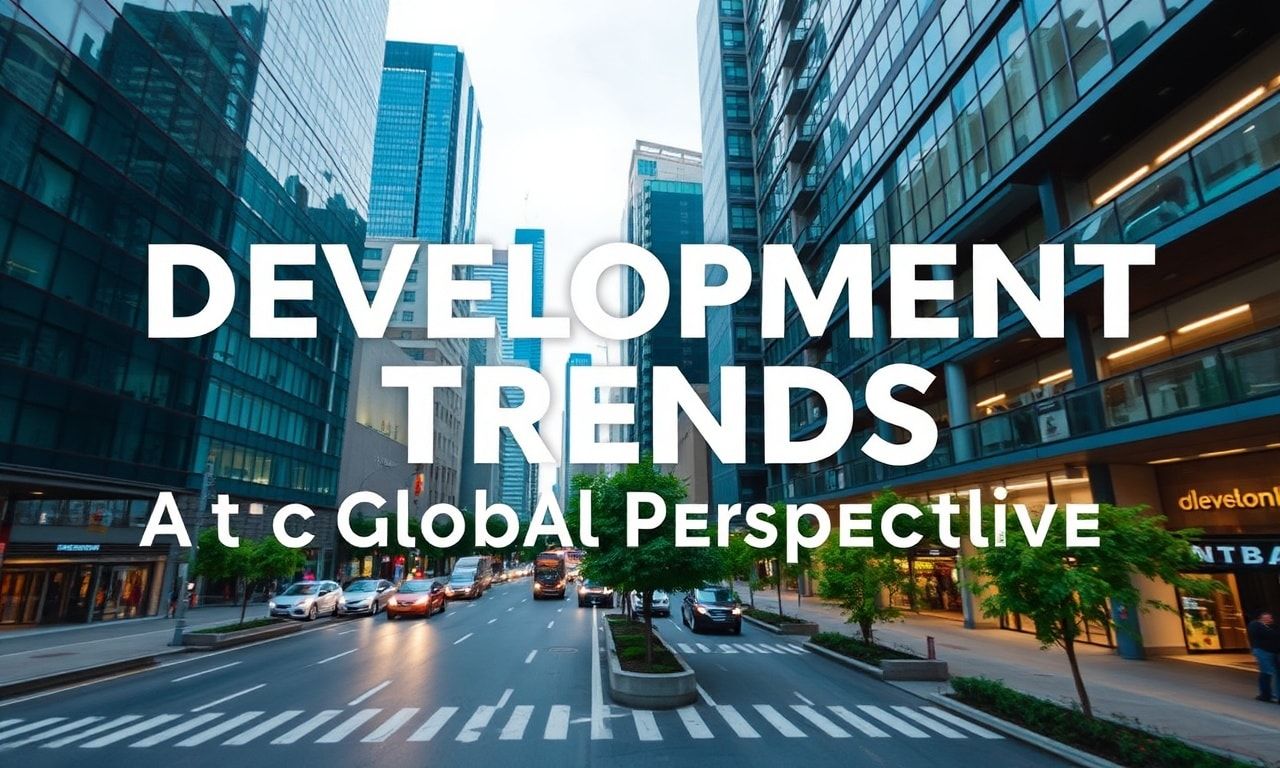
The landscape of urban development is rapidly evolving, with cities around the world embracing new technologies and innovative planning strategies. This shift is driven by the need to accommodate growing populations, improve quality of life, and promote sustainability. From smart cities to green initiatives, the trends in urban development are reshaping our metropolitan areas in profound ways.
The Rise of Smart Cities
Smart cities are at the forefront of urban development, leveraging technology to enhance efficiency and sustainability. These cities use data and digital infrastructure to manage resources, improve public services, and enhance the overall living experience. For instance, cities like Singapore and Barcelona have implemented smart grids, intelligent transportation systems, and advanced waste management solutions. These initiatives not only reduce environmental impact but also create a more connected and efficient urban environment.
Key Components of Smart Cities
The key components of smart cities include:
- Intelligent Transportation Systems: These systems use real-time data to optimize traffic flow, reduce congestion, and improve public transportation.
- Smart Grids: These grids use advanced sensors and data analytics to manage energy distribution efficiently.
- Digital Infrastructure: High-speed internet and digital platforms enable seamless communication and service delivery.
- Sustainable Urban Planning: Green spaces, renewable energy sources, and eco-friendly buildings are integral to smart city development.
Sustainable Urban Development
Sustainability is a critical aspect of modern urban development. Cities are increasingly focusing on reducing their carbon footprint and promoting eco-friendly practices. This includes the adoption of renewable energy sources, the development of green buildings, and the implementation of urban green spaces. For example, Copenhagen aims to become the first carbon-neutral capital by 2025, showcasing the global shift towards sustainable urban living.
Innovative Green Initiatives
Several cities have launched innovative green initiatives to promote sustainability. These initiatives include:
- Green Roofs and Walls: These structures help insulate buildings, reduce energy consumption, and provide habitats for wildlife.
- Renewable Energy Projects: Solar panels, wind turbines, and other renewable energy sources are being integrated into urban infrastructure.
- Urban Farming: Vertical farms and community gardens are being established to promote local food production and reduce food miles.
- Waste Management Systems: Advanced recycling programs and waste-to-energy plants are being implemented to minimize waste and maximize resource utilization.
Real Estate Trends in Urban Centers
The real estate market is also evolving in response to urban development trends. Cities are witnessing a surge in demand for affordable housing, mixed-use developments, and smart homes. Developers are increasingly focusing on creating communities that offer a blend of residential, commercial, and recreational spaces. For instance, in Istanbul, there are significant şehir merkezinde yeni geliştirmeler ve fiyatları that reflect the growing demand for modern, sustainable living spaces. These developments are not only enhancing the quality of life but also driving economic growth.
Affordable Housing Solutions
Affordable housing is a pressing issue in many urban centers. Governments and private developers are collaborating to create affordable housing solutions that cater to diverse income groups. These solutions include:
- Public-Private Partnerships: Collaborations between government agencies and private developers to build affordable housing units.
- Modular Housing: Prefabricated housing units that are cost-effective and quickly assembled.
- Incentives for Developers: Tax breaks and subsidies to encourage the development of affordable housing.
- Community Land Trusts: Non-profit organizations that acquire and hold land for the benefit of the community, ensuring long-term affordability.
Conclusion
The trends in urban development are reshaping our cities, making them more sustainable, efficient, and livable. From the rise of smart cities to innovative green initiatives and real estate trends, the future of urban living looks promising. As cities continue to evolve, it is crucial for policymakers, developers, and communities to work together to create inclusive and sustainable urban environments that meet the needs of current and future generations.