The Global Soil Crisis
The world is facing a silent crisis that threatens the very foundation of our food systems: soil degradation. According to the United Nations, about 33% of the Earth’s soil is already degraded, with significant implications for food security and biodiversity. This alarming trend has sparked a global search for sustainable farming practices that can restore and conserve soil health.
Chia Seeds: A Promising Solution
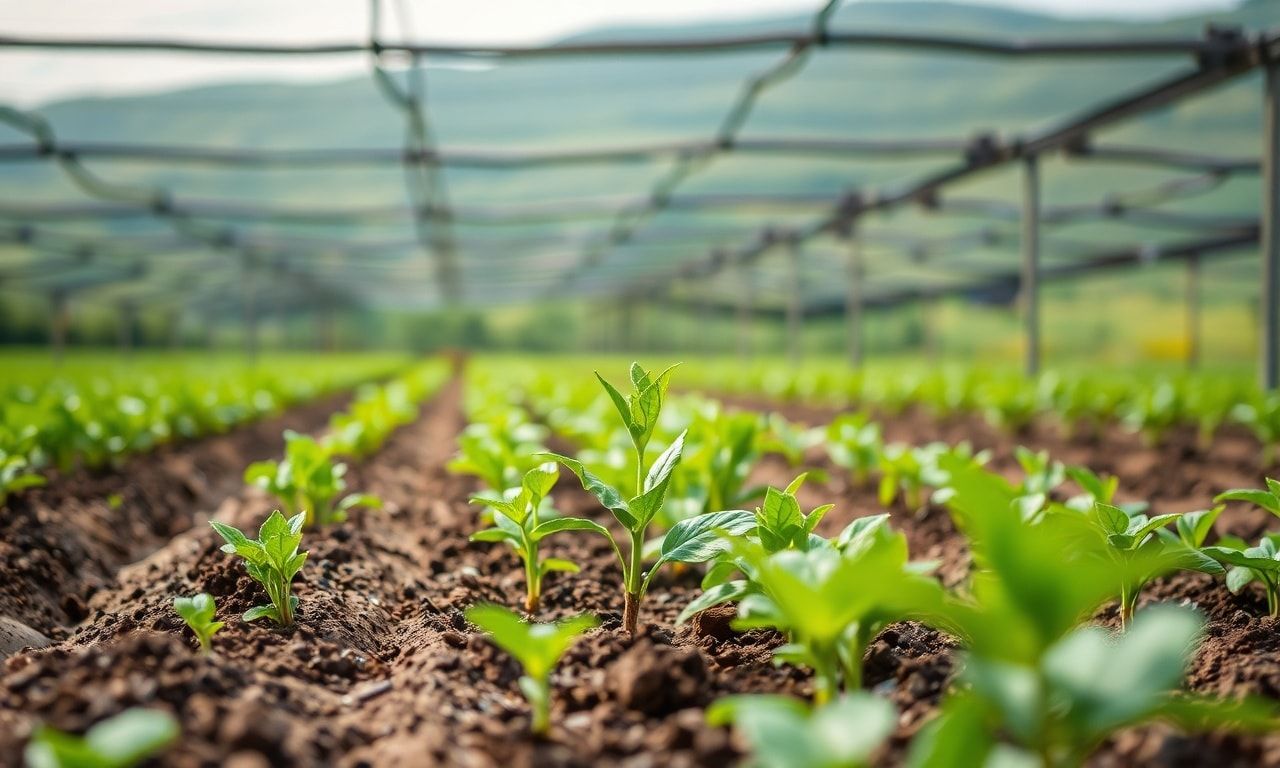
Amidst this crisis, chia seeds have emerged as an unexpected hero. Known for their nutritional benefits, chia seeds are now gaining recognition for their role in soil conservation. Chia plants have deep roots that help prevent erosion and improve soil structure. Moreover, they require minimal water, making them an ideal crop for dry regions.
Chia seed farming for soil conservation is a practice that is gaining traction in various parts of the world. Farmers are increasingly turning to chia seeds as a means to combat soil degradation while also diversifying their income streams. The chia plant’s resilience and low maintenance requirements make it a viable option for sustainable agriculture.
The Science Behind Chia Seed Farming
The benefits of chia seed farming extend beyond mere anecdotal evidence. Scientific studies have shown that chia plants can significantly improve soil health. Their deep roots help to break up compacted soil, allowing for better water infiltration and root growth for other plants. Additionally, chia plants leave behind a layer of organic matter when they die back, which helps to suppress weeds and retain moisture.
Research has also shown that chia plants can improve soil microbial activity. This is crucial for maintaining soil fertility and promoting healthy plant growth. The increased microbial activity can lead to better nutrient cycling, which in turn supports a more robust and diverse ecosystem.
Case Studies: Success Stories from Around the World
Several regions have already seen the benefits of chia seed farming. In Australia, farmers in the arid regions of Western Australia have successfully integrated chia into their crop rotation. The results have been impressive, with improved soil structure and increased water retention.
Similarly, in Mexico, where chia is native, farmers have long understood the benefits of chia cultivation. The practice of chia seed farming for soil conservation has been a traditional method for maintaining soil health. Modern farmers are now revisiting these traditional practices, combining them with contemporary agricultural techniques to maximize benefits.
The Future of Chia Seed Farming
As the world continues to grapple with soil degradation, the role of chia seed farming in soil conservation cannot be overstated. The practice offers a sustainable and cost-effective solution that can be easily integrated into existing farming systems. With continued research and support, chia seed farming has the potential to play a pivotal role in global efforts to combat soil degradation and ensure food security.
Governments and international organizations are increasingly recognizing the importance of sustainable farming practices. Initiatives such as the United Nations’ Sustainable Development Goals (SDGs) highlight the need for innovative solutions to soil conservation. Chia seed farming aligns perfectly with these goals, offering a practical and scalable solution.
Challenges and Considerations
Despite the numerous benefits, there are challenges associated with chia seed farming. One of the main challenges is the initial investment required for setting up chia farms. Farmers need access to quality seeds, appropriate farming equipment, and technical knowledge to ensure successful cultivation. Additionally, market access and price fluctuations can impact the profitability of chia farming.
However, these challenges are not insurmountable. With the right support and resources, farmers can overcome these obstacles and reap the long-term benefits of chia seed farming. Collaborative efforts between governments, non-governmental organizations, and private sector entities can help to provide the necessary support for farmers to adopt chia seed farming practices.