
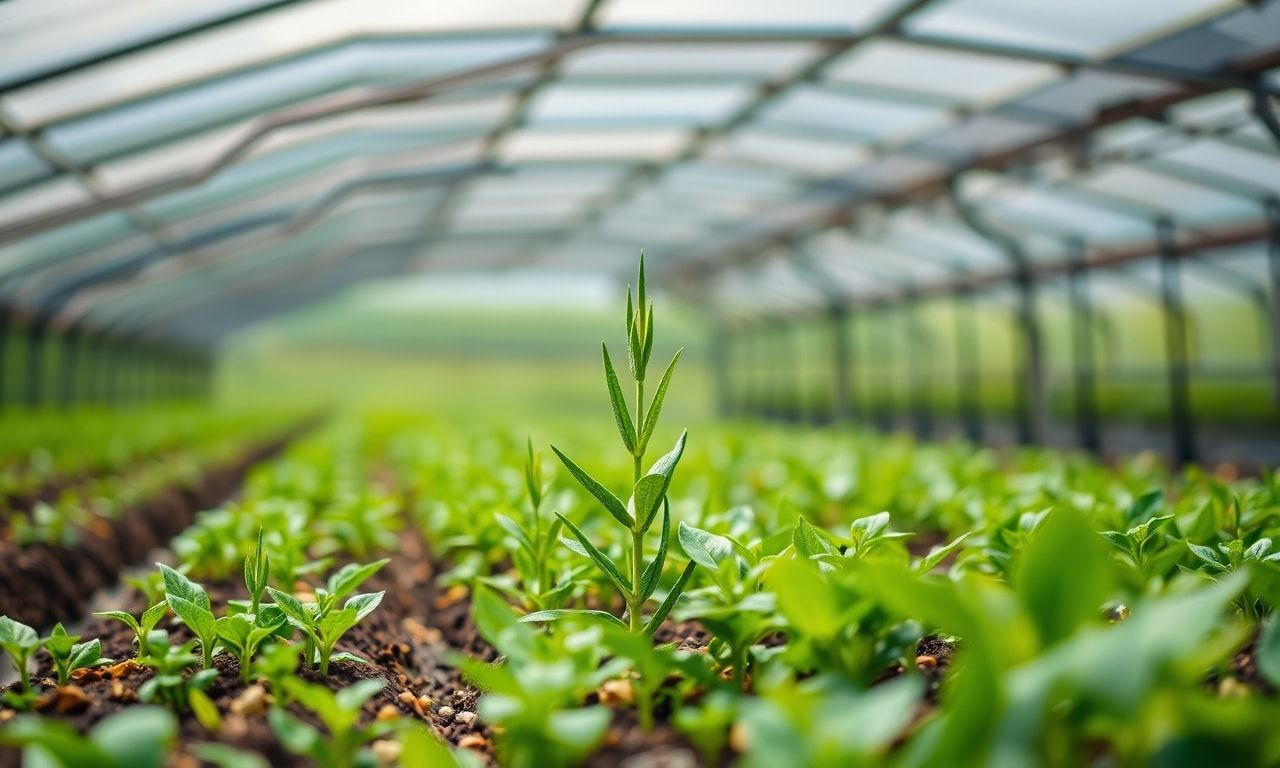
Introduction to Global Agricultural Market Trends
The global agricultural market is a complex and dynamic sector influenced by a multitude of factors, including climate change, technological advancements, and geopolitical events. In recent years, the sector has witnessed significant shifts, impacting both producers and consumers worldwide. This article delves into the current trends, challenges, and opportunities within the agricultural market, providing a comprehensive overview for stakeholders.
The Impact of Climate Change on Agricultural Production
Climate change has emerged as one of the most pressing issues affecting agricultural production. Unpredictable weather patterns, such as droughts, floods, and extreme temperatures, have disrupted crop yields and livestock productivity. According to recent studies, these climatic shifts have led to a decrease in global food security, necessitating adaptive strategies from farmers and policymakers alike. The need for climate-resilient crops and sustainable farming practices has become paramount in mitigating the adverse effects of climate change on the agricultural sector.
Technological Innovations in Agriculture
In response to the challenges posed by climate change, technological innovations have played a crucial role in enhancing agricultural productivity. Precision farming, drones, and satellite imagery are among the tools that have revolutionized modern agriculture. These technologies enable farmers to monitor crop health, optimize irrigation, and improve overall efficiency. Additionally, the integration of artificial intelligence and machine learning has facilitated predictive analytics, allowing for better decision-making and resource management. The adoption of these technologies is crucial for ensuring food security and sustainability in the face of a growing global population.
Market Trends and Economic Factors
The agricultural market is influenced by a myriad of economic factors, including trade policies, commodity prices, and global demand. Recent trade disputes and tariffs have impacted the flow of agricultural products across borders, affecting both exports and imports. For instance, the trade war between the United States and China has led to significant fluctuations in soybeans and other commodity prices. Understanding these economic dynamics is essential for stakeholders to navigate the complexities of the global agricultural market.
For up-to-date information on the current state of the agricultural market, resources like tarım ürünleri piyasası güncel provide valuable insights into market trends and price movements. These platforms offer real-time data and analysis, enabling farmers, traders, and policymakers to make informed decisions.
Challenges Faced by Farmers
Farmers worldwide face numerous challenges, including access to credit, market volatility, and the need for sustainable practices. The lack of financial resources often hinders farmers’ ability to invest in modern technologies and sustainable practices. Market volatility, driven by factors such as weather conditions and geopolitical events, adds another layer of complexity. Addressing these challenges requires a multifaceted approach, involving government support, private sector investment, and international cooperation.
Opportunities for Growth and Sustainability
Despite the challenges, the agricultural sector presents numerous opportunities for growth and sustainability. The increasing demand for organic and locally sourced products has created a niche market for small-scale farmers. Additionally, the rise of agri-tech startups has opened new avenues for innovation and investment. Governments and international organizations are also playing a crucial role in promoting sustainable agriculture through policies and funding initiatives. By leveraging these opportunities, the agricultural sector can achieve long-term sustainability and food security.
The Role of International Cooperation
International cooperation is vital for addressing the global challenges faced by the agricultural sector. Collaborative efforts, such as the United Nations’ Sustainable Development Goals (SDGs), aim to promote sustainable agriculture and food security. These initiatives involve knowledge sharing, technology transfer, and financial support, fostering a collaborative approach to tackling agricultural challenges. By working together, countries can achieve a more resilient and sustainable agricultural system.
Conclusion
The global agricultural market is at a critical juncture, shaped by climate change, technological advancements, and economic factors. While challenges such as market volatility and access to resources persist, opportunities for growth and sustainability abound. By embracing technological innovations, fostering international cooperation, and implementing sustainable practices, the agricultural sector can navigate these challenges and secure a food-secure future for all.
As climate change continues to impact various sectors, understanding its effects on global agriculture is crucial; explore the latest findings in climate change and farming.


