
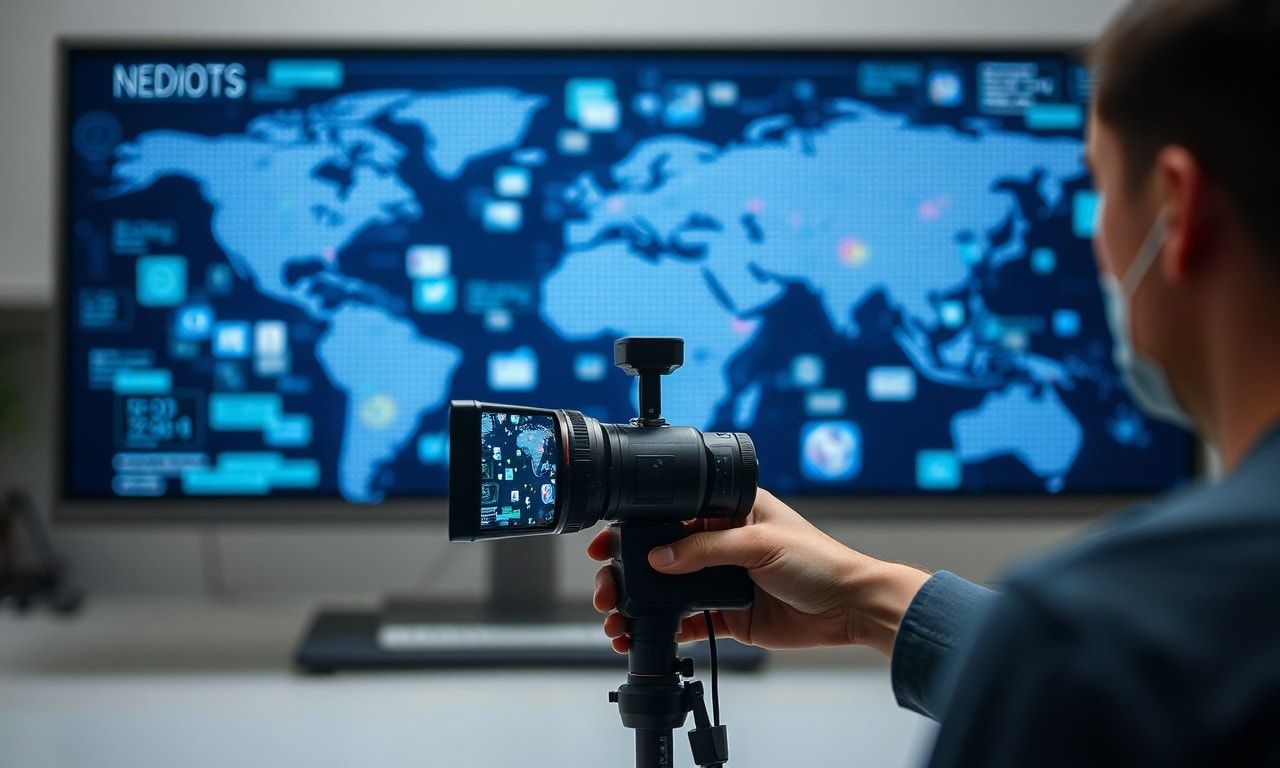
The Evolution of Media Consumption
The landscape of media consumption has undergone a profound transformation in recent years, driven by technological advancements and changing consumer preferences. Traditional broadcasting, once the cornerstone of news and entertainment, is now facing significant competition from digital platforms. This shift is not only altering how content is delivered but also how audiences engage with it.
The Decline of Traditional Broadcasting
Traditional broadcasting, which includes television and radio, has seen a steady decline in viewership and listenership. The advent of streaming services, social media, and online news platforms has provided consumers with a plethora of options, often more convenient and tailored to their preferences. According to recent studies, the number of people cutting the cord and opting for digital alternatives has been on the rise. This trend is particularly evident among younger demographics, who prefer on-demand content over scheduled programming.
Moreover, the COVID-19 pandemic has accelerated this shift. With lockdowns and social distancing measures in place, people turned to digital platforms for news, entertainment, and social interaction. This has led to a permanent change in media consumption habits, with many consumers now preferring digital alternatives even as restrictions ease.
The Role of Streaming Services
Streaming services have played a pivotal role in the decline of traditional broadcasting. Platforms like Netflix, Amazon Prime, and Disney+ offer a vast library of content that can be accessed anytime, anywhere. These services have not only attracted subscribers with their extensive libraries but also with their original content, which often rivals the quality of traditional broadcast programming.
In addition to general entertainment, streaming services have also ventured into news and live events. For instance, platforms like YouTube and Facebook have become popular destinations for live streaming news and sports events. This has further eroded the audience base of traditional broadcasters, who are now struggling to retain viewers.
The Impact on Advertising
The shift towards digital media has also had a significant impact on advertising. Traditional broadcasters have long relied on advertising revenue to fund their operations. However, with the decline in viewership, advertisers are now redirecting their budgets towards digital platforms, where they can reach a larger and more engaged audience.
Digital advertising offers several advantages, including targeted advertising, real-time analytics, and lower costs. Advertisers can use data analytics to tailor their ads to specific demographics, ensuring higher engagement and conversion rates. This has made digital advertising a more attractive option for businesses of all sizes.
The Rise of Digital News Platforms
Digital news platforms have emerged as a significant alternative to traditional broadcasting. Websites and apps like BBC News, CNN, and The Guardian offer up-to-date news coverage, often with multimedia elements such as videos, podcasts, and interactive graphics. These platforms provide a more immersive and engaging experience for consumers, who can access news on their preferred devices.
Furthermore, digital news platforms have the advantage of being more flexible and responsive. They can quickly update their content to reflect breaking news, providing consumers with real-time information. This is in stark contrast to traditional broadcasting, where news cycles are often scheduled and less flexible.
The Role of Social Media
Social media platforms have also played a crucial role in the rise of digital news. Platforms like Twitter, Facebook, and Instagram have become important sources of news for many consumers. These platforms allow for the rapid dissemination of information, often before it is picked up by traditional broadcasters.
However, the reliance on social media for news has its drawbacks. The spread of misinformation and fake news has become a significant concern, with social media algorithms often prioritizing sensationalist content over factual reporting. This has led to calls for greater regulation and accountability in the digital news landscape.
The Future of Broadcasting
The future of broadcasting is likely to be a hybrid of traditional and digital media. While traditional broadcasting may continue to decline, it is unlikely to disappear entirely. Instead, it may evolve to incorporate digital elements, such as streaming and on-demand content.
For example, many traditional broadcasters have launched their own streaming services, such as BBC iPlayer and ITV Hub. These services allow them to reach a wider audience and compete with digital-only platforms. Additionally, traditional broadcasters are increasingly using social media to engage with their audiences and promote their content.
In conclusion, the shift towards digital media is a significant trend that is reshaping the media landscape. While traditional broadcasting faces challenges, it is not yet obsolete. By embracing digital technologies and adapting to changing consumer preferences, traditional broadcasters can continue to play a vital role in the media ecosystem. For those looking to stay connected with their cultural roots, platforms like alternativa online para ver TV mexicana gratis offer a unique blend of traditional and digital content, catering to diverse audiences.
As temperatures rise, staying fashionable without compromising comfort becomes a priority; our latest feature, summer style essentials, offers practical advice for beating the heat in style.
As weather patterns continue to shift, understanding how temperature perception influences our daily decisions is more important than ever. Explore this fascinating topic in our latest feature, how temperature shapes our lives.
In today’s fast-paced world, staying informed about weather patterns can significantly impact daily decisions, as explored in how weather forecasts improve life.


