
The Rapid Evolution of the UK’s Green Energy Sector
The United Kingdom’s green energy sector has been making significant strides in recent years, positioning itself as a global leader in the fight against climate change. With ambitious targets and innovative projects, the UK is not only reducing its carbon footprint but also creating jobs and stimulating economic growth. This article delves into the latest developments, challenges, and future prospects of the UK’s green energy sector.
Renewable Energy Milestones
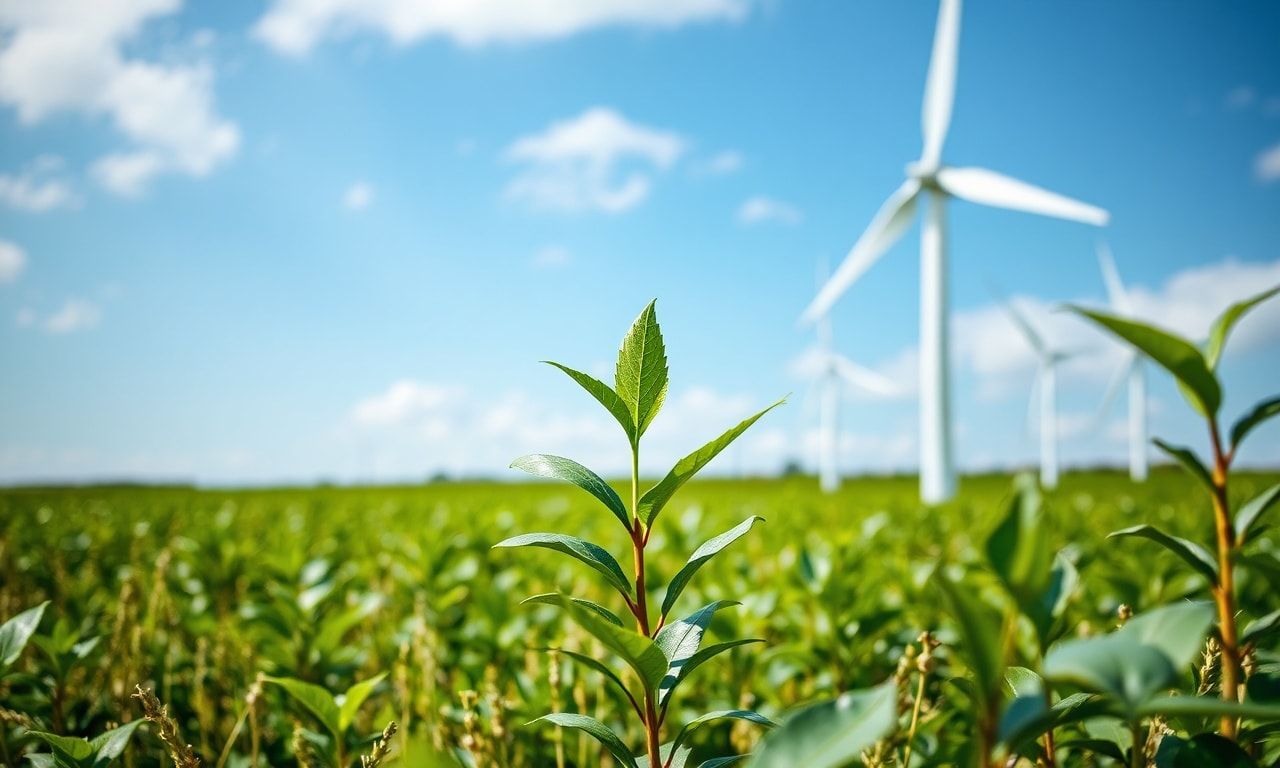
In 2023, the UK achieved a remarkable milestone by generating over 40% of its electricity from renewable sources. Wind energy, both onshore and offshore, has been a significant contributor to this achievement. The country is home to some of the world’s largest offshore wind farms, such as the Hornsea Project and the East Anglia Array. These projects have not only boosted the UK’s energy security but also created thousands of jobs in coastal communities.
Solar energy is another area where the UK has made substantial progress. The installation of solar panels on residential and commercial buildings has surged, driven by government incentives and falling technology costs. According to industry reports, solar power now accounts for nearly 15% of the UK’s renewable energy mix.
Government Initiatives and Policies
The UK government has played a pivotal role in driving the growth of the green energy sector. Through initiatives like the Contracts for Difference (CfD) scheme, the government has provided financial stability to renewable energy projects, encouraging investment and innovation. The recently announced Ten Point Plan for a Green Industrial Revolution outlines further commitments to achieve net-zero emissions by 2050.
One of the key policies under this plan is the ban on the sale of new petrol and diesel cars by 2030. This move is expected to accelerate the adoption of electric vehicles (EVs) and spur the development of a robust charging infrastructure. The government has also pledged to invest £1.3 billion in the development of large and small-scale nuclear projects, recognizing the role of nuclear energy in providing a stable and low-carbon baseload power.
Challenges and Obstacles
Despite the progress, the UK’s green energy sector faces several challenges. Grid constraints, particularly in areas with high concentrations of renewable energy projects, have led to curtailment of wind and solar power. Upgrading the national grid and investing in energy storage solutions are critical to addressing this issue.
Another significant challenge is the impact of the COVID-19 pandemic on the supply chain and project timelines. Delays in the delivery of components and labor shortages have affected the pace of renewable energy projects. However, the sector has shown resilience, with many projects adapting to the new normal through remote monitoring and digital technologies.
For the latest updates on these challenges and more, be sure to check out the Glasgow daily news headlines.
Future Prospects and Innovations
The future of the UK’s green energy sector looks promising, with several innovative projects and technologies on the horizon. Floating offshore wind farms, which can harness stronger and more consistent winds, are being explored as the next frontier in wind energy. Similarly, advancements in tidal and wave energy technologies hold the potential to unlock the vast renewable energy resources of the UK’s coastal waters.
Hydrogen energy is another area of significant interest. The UK government has launched a £240 million net-zero hydrogen fund to support the development of low-carbon hydrogen production projects. Hydrogen can play a crucial role in decarbonizing industries that are difficult to electrify, such as steel and chemicals.
Digitalization and smart grid technologies are also set to revolutionize the energy sector. By integrating renewable energy sources with smart grids, the UK can optimize energy distribution, reduce waste, and enhance overall system efficiency. Artificial intelligence (AI) and machine learning (ML) algorithms can predict energy demand and supply patterns, enabling better decision-making and resource allocation.
Conclusion
The UK’s green energy sector is a beacon of hope in the global fight against climate change. With ambitious targets, innovative projects, and strong government support, the UK is well on its way to achieving a sustainable and low-carbon future. However, addressing the challenges of grid constraints, supply chain disruptions, and labor shortages will be critical to maintaining this momentum. As the sector continues to evolve, the UK has the potential to set a global example in renewable energy adoption and technological innovation.
As economic conditions continue to shift, managing personal finances effectively is more crucial than ever; our latest guide, practical tips for financial control, offers essential advice to help you navigate these changes.
In a significant move towards international collaboration, New York and Glasgow enhance partnerships to address pressing global issues, as detailed in our latest report.
As journalists navigate the landscape of current events, understanding the roots of local history can provide invaluable context; explore the role of history in reporting.


