
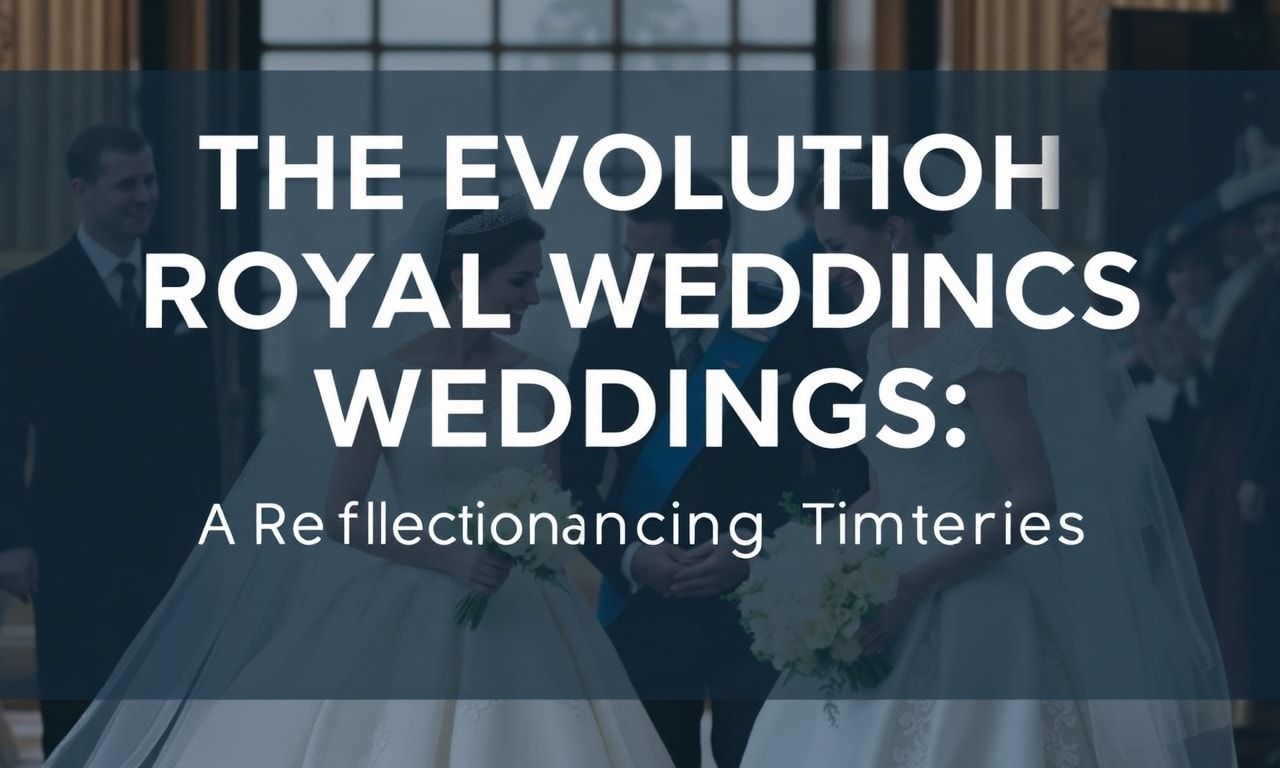
The Evolution of Royal Weddings: A Reflection of Changing Times
Royal weddings have always been a subject of fascination and intrigue, offering a glimpse into the lives of the world’s most elite families. Over the years, these grand events have evolved, reflecting the changing times and societal norms. From the opulent ceremonies of the past to the more modern and inclusive celebrations of today, royal weddings continue to captivate global audiences.
The Traditional Royal Wedding
Historically, royal weddings were characterized by their strict adherence to tradition and protocol. These events were often marked by lavish displays of wealth and power, with every detail meticulously planned to uphold the monarchy’s prestige. The bride’s attire, for instance, was a significant symbol of status and elegance. The formal wear guide occasion dressing often featured intricate designs and luxurious fabrics, reflecting the bride’s royal standing.
One of the most iconic examples of a traditional royal wedding is the marriage of Prince Charles and Lady Diana Spencer in 1981. The ceremony at St. Paul’s Cathedral was a spectacle of grandeur, with Diana’s wedding dress becoming a symbol of the era. The event was watched by an estimated global television audience of 750 million people, underscoring the widespread interest in royal affairs.
The Modernization of Royal Weddings
In recent years, royal weddings have undergone a significant transformation, embracing modernity and inclusivity. The marriage of Prince William and Kate Middleton in 2011 marked a shift towards a more contemporary approach. The ceremony at Westminster Abbey incorporated elements of tradition while also reflecting the couple’s personal preferences. Kate Middleton’s wedding dress, designed by Sarah Burton for Alexander McQueen, was a blend of classic elegance and modern simplicity.
The most recent royal wedding, that of Prince Harry and Meghan Markle in 2018, further emphasized this trend. The ceremony at St. George’s Chapel in Windsor Castle was notable for its diversity and inclusivity. Meghan Markle’s wedding dress, designed by Clare Waight Keller for Givenchy, was a testament to modern sophistication. The event also featured a sermon by Bishop Michael Curry, which highlighted themes of love and unity, resonating with contemporary values.
The Influence of Royal Weddings on Fashion
Royal weddings have long been a source of inspiration for the fashion industry. The bridal attire, in particular, sets trends that influence brides worldwide. The formal wear guide occasion dressing for royal weddings often features unique designs and luxurious fabrics, which become the epitome of elegance and style. For instance, the Duchess of Cambridge’s wedding dress inspired a wave of similar designs, with many brides opting for simple yet elegant gowns with lace detailing.
Similarly, Meghan Markle’s wedding dress, with its clean lines and minimalist design, sparked a trend towards more modern and understated bridal wear. The influence of royal weddings on fashion extends beyond the bride’s attire to include the outfits of the bridal party, the guests, and even the floral arrangements. These elements collectively contribute to the overall aesthetic of the event, which is often emulated by fashion enthusiasts.
The Global Impact of Royal Weddings
Royal weddings have a profound impact on global culture and media. These events generate extensive media coverage, drawing the attention of millions of viewers worldwide. The ceremonies are not only a celebration of love but also a reflection of the monarchy’s role in contemporary society. They provide an opportunity for the royal family to connect with the public and showcase their relevance in a changing world.
The global interest in royal weddings is evident in the massive viewership numbers. For example, the wedding of Prince Harry and Meghan Markle was watched by an estimated 1.9 billion people worldwide. This widespread attention underscores the enduring fascination with royal affairs and the cultural significance of these events. The media coverage of royal weddings also extends to social media platforms, where fans share their thoughts, photos, and videos, creating a virtual community of enthusiasts.
The Future of Royal Weddings
As society continues to evolve, so too will the nature of royal weddings. The future of these grand events is likely to be shaped by ongoing trends towards inclusivity, sustainability, and personalization. The royal family may increasingly incorporate elements that reflect contemporary values, such as environmental consciousness and cultural diversity. For instance, future royal weddings might feature eco-friendly attire, locally sourced flowers, and ceremonies that celebrate multiple cultural traditions.
Moreover, the role of technology in royal weddings is expected to grow. The use of social media, live streaming, and virtual reality could enhance the viewing experience, allowing audiences to engage with the event in new and innovative ways. The formal wear guide occasion dressing may also evolve to include technological elements, such as smart fabrics and interactive designs, adding a modern twist to traditional attire.
In conclusion, royal weddings have come a long way from their traditional roots, reflecting the changing times and societal norms. These events continue to captivate global audiences, offering a glimpse into the lives of the world’s most elite families. As the monarchy adapts to the demands of the modern world, royal weddings will undoubtedly continue to evolve, embracing new trends and values. The fascination with these grand celebrations is likely to endure, as they remain a symbol of love, tradition, and the enduring allure of royalty.
To delve deeper into the shifting dynamics of the fashion industry, consider exploring seasonal trends and consumer behavior in our latest feature.
To enhance your journalism skills, consider exploring writing tips for compelling content that can engage your audience effectively.