The Importance of Urban Green Spaces
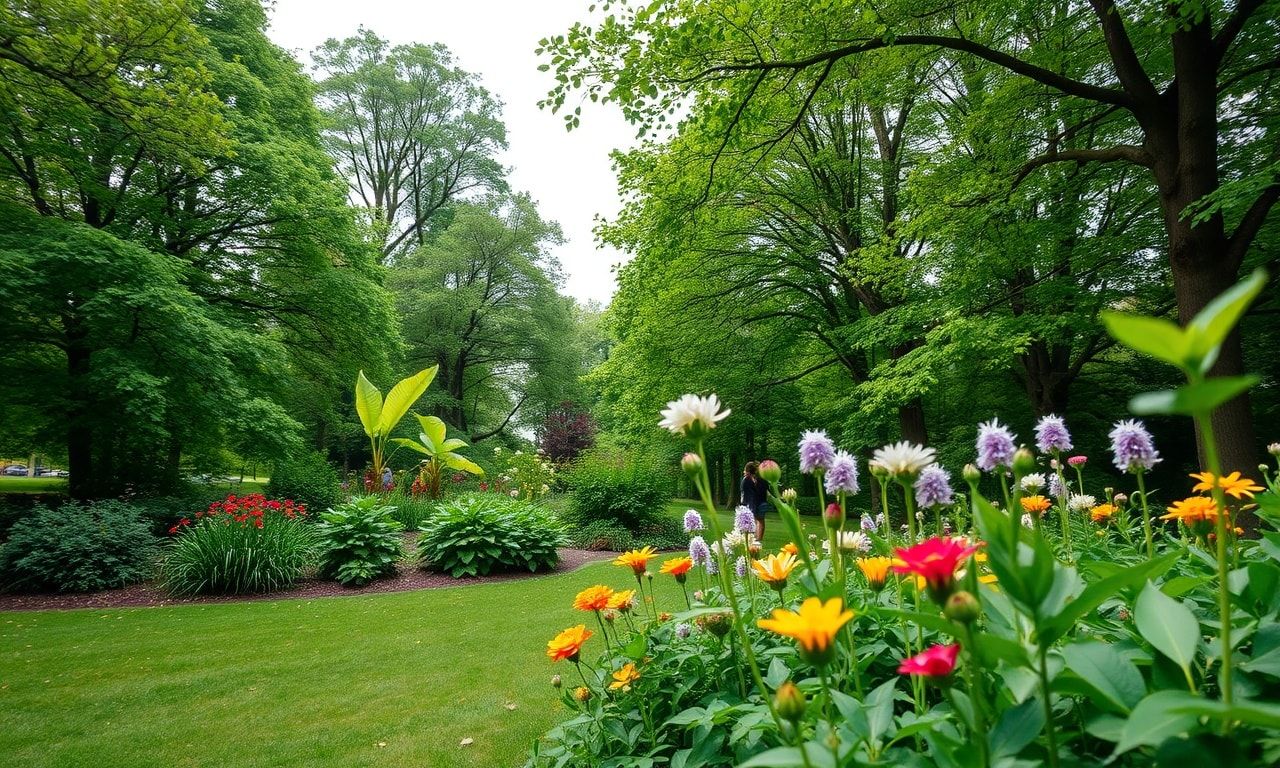
In the bustling metropolis of London, green spaces serve as vital lungs, offering respite from the urban hustle and a haven for both residents and wildlife. These parks and recreational areas are not just patches of greenery; they are integral to the city’s ecosystem, contributing to air quality, mental health, and community well-being. As urbanization continues to expand, the preservation and enhancement of these spaces become increasingly critical.
Biodiversity in London’s Parks
London’s parks are teeming with biodiversity, hosting a variety of flora and fauna that thrive in these urban oases. From the iconic red kites soaring over Richmond Park to the vibrant wildflowers dotting Hampstead Heath, these green spaces are microcosms of nature within the city. Conservation efforts, such as the rewilding initiatives in Epping Forest, aim to protect and enhance this biodiversity, ensuring that London remains a city where nature and urban life coexist harmoniously.
Wildlife Conservation Efforts
Several initiatives are underway to protect and promote wildlife in London’s parks. The London Beekeeping Association, for instance, plays a crucial role in preserving the city’s bee population, which is vital for pollination and maintaining the balance of the ecosystem. Additionally, community-led projects like the London parks recreation activities encourage residents to engage with nature, fostering a sense of stewardship and appreciation for the natural world.
The Role of Parks in Community Well-being
Green spaces are not just about nature; they are also about people. Parks serve as community hubs, providing spaces for social interaction, physical activity, and cultural events. Studies have shown that access to green spaces can significantly improve mental health, reduce stress, and enhance overall quality of life. In London, where space is at a premium, the importance of these recreational areas cannot be overstated.
Recreation and Leisure Activities
From jogging and cycling to picnicking and birdwatching, London’s parks offer a wide range of recreational activities. Hyde Park, for example, is famous for its open-air theatre performances and the Serpentine Lake, which offers swimming and boating opportunities. Meanwhile, Battersea Park’s Peace Pagoda and the Chelsea Physic Garden provide serene settings for reflection and relaxation. These activities not only promote physical health but also foster a sense of community and shared enjoyment.
Challenges and Future Prospects
Despite their numerous benefits, London’s green spaces face several challenges, including urban sprawl, funding constraints, and the impacts of climate change. Rising temperatures and changing weather patterns pose threats to the delicate balance of these ecosystems. However, there is hope on the horizon. Innovative projects like the creation of new urban wetlands and the expansion of green corridors aim to mitigate these challenges and ensure the sustainability of London’s parks for future generations.
Innovative Solutions for Sustainable Parks
To address these challenges, London is embracing innovative solutions. The creation of urban wetlands, such as those in the Wetland Centre in Barnes, helps to manage flood risks and support biodiversity. Green corridors, like the Capital Ring walking route, connect different parks and green spaces, providing habitats for wildlife and promoting sustainable transportation. These initiatives not only enhance the resilience of London’s green spaces but also contribute to the city’s broader environmental goals.
Conclusion
London’s green spaces are more than just parks; they are essential components of the city’s ecosystem and community life. From supporting biodiversity to promoting well-being, these areas play a multifaceted role in the urban landscape. As London continues to grow and evolve, the preservation and enhancement of these green spaces will be crucial in ensuring a sustainable and vibrant future for all who call the city home.
As technological advancements continue to shape our world, a new article explores how tech aids environmental monitoring, offering a comprehensive look at this evolving field.
As London’s food scene continues to evolve, explore the city’s culinary trends in our latest feature.
To gain a deeper understanding of the city’s recent developments, consider exploring Birmingham’s evolving urban landscape, which offers a comprehensive look at the region’s progress.