
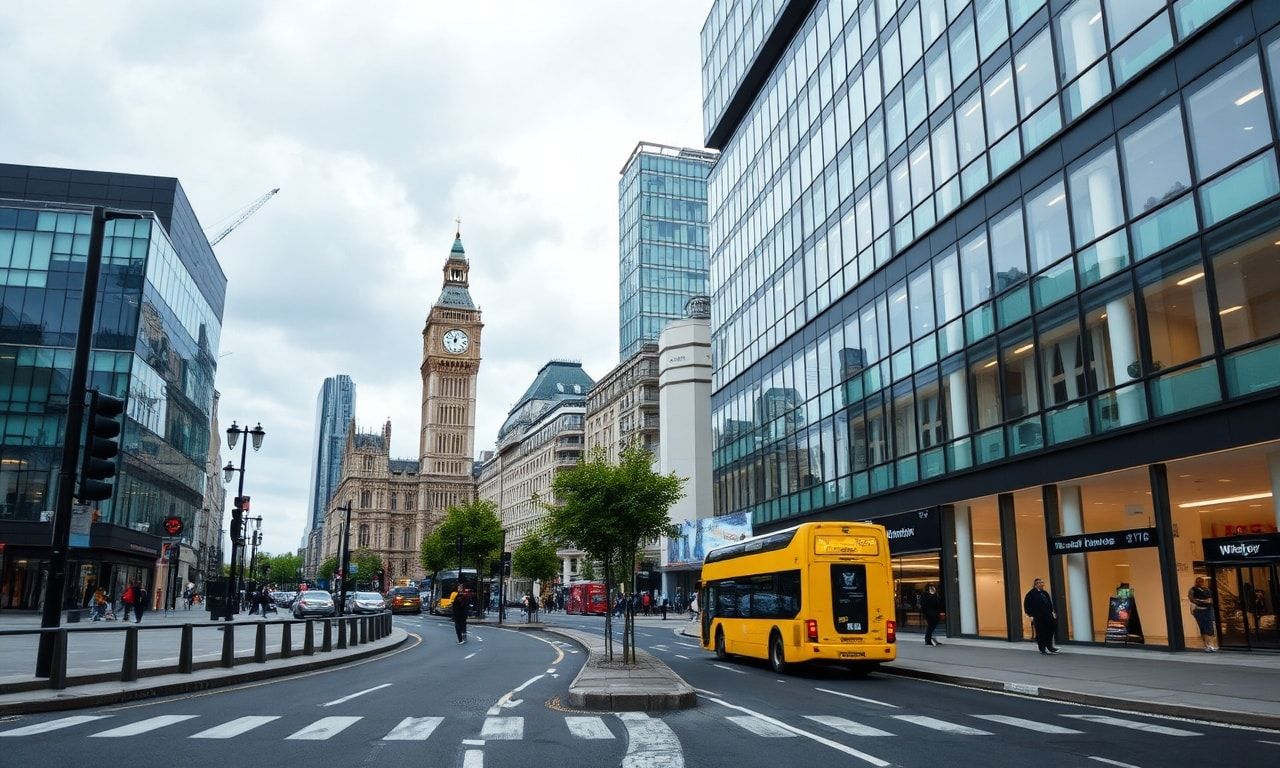
The Transformation of London’s Skyline
London, a city known for its rich history and iconic landmarks, is undergoing a significant transformation. The skyline is evolving with new architectural marvels that are reshaping the city’s identity. Recent developments have sparked debates among urban planners, architects, and residents about the future of this historic metropolis. The balance between preserving heritage and embracing modernity is a delicate one, and London is navigating this challenge with a mix of innovation and tradition.
The Rise of Sustainable Architecture
One of the most notable trends in London’s urban development is the rise of sustainable architecture. New buildings are being designed with a focus on energy efficiency, green spaces, and reduced carbon footprints. The city is increasingly adopting eco-friendly materials and technologies to create structures that are not only aesthetically pleasing but also environmentally responsible. This shift towards sustainability is driven by both regulatory pressures and a growing public awareness of the need for sustainable living.
For instance, the recent construction of the Bloomberg European Headquarters in the City of London has set a new benchmark for sustainable office buildings. The building features innovative designs, such as a double-skin facade that reduces energy consumption and a rainwater harvesting system that supports the building’s cooling needs. Such projects demonstrate how London is leading the way in integrating sustainability into urban development.
The Role of Technology in Urban Planning
Technology is playing a pivotal role in London’s urban planning and development. Advanced tools like Building Information Modeling (BIM) and Geographic Information Systems (GIS) are being used to create detailed models of new buildings and infrastructure. These technologies enable planners to visualize and simulate the impact of new developments on the city’s landscape, ensuring that projects are executed efficiently and effectively.
Moreover, the use of smart technologies in building management is becoming increasingly common. Smart buildings equipped with sensors and automation systems can monitor and control various aspects of the building environment, from lighting and temperature to security and maintenance. This not only enhances the comfort and safety of occupants but also contributes to the overall sustainability of the building.
Transportation and Infrastructure
Transportation and infrastructure are critical components of London’s urban development. The city’s public transportation network is undergoing significant upgrades to accommodate the growing population and reduce traffic congestion. Projects like the Crossrail and the Elizabeth line are set to revolutionize the way people travel within the city, providing faster and more efficient connections between key areas.
In addition to public transportation, there is a growing emphasis on promoting cycling as a sustainable mode of transport. The city has been expanding its network of cycle lanes and introducing initiatives to encourage more people to cycle. For those who prefer to maintain their bikes at home, resources like Honda bike lifts and maintenance stands are becoming increasingly popular, providing convenient solutions for bike maintenance and storage.
The Impact on Local Communities
The rapid pace of urban development in London has raised concerns about its impact on local communities. While new developments bring economic benefits and improved infrastructure, they can also lead to gentrification and displacement of long-time residents. Urban planners and policymakers are grappling with the challenge of ensuring that development is inclusive and benefits all members of society.
Community engagement and consultation are becoming integral parts of the planning process. Developers and local authorities are increasingly involving residents in the decision-making process to ensure that their needs and concerns are addressed. This collaborative approach helps to create developments that are not only economically viable but also socially and culturally sensitive.
Preserving Heritage Amidst Modernization
Preserving London’s rich heritage amidst rapid modernization is a delicate balancing act. The city is home to numerous historic buildings and landmarks that are cherished by residents and visitors alike. The challenge lies in integrating new developments in a way that respects and complements the existing architectural landscape.
Heritage conservation experts and urban planners are working together to find innovative solutions that allow for modern development while preserving the city’s historic character. Adaptive reuse of historic buildings is one such approach, where old structures are repurposed for new uses while retaining their original charm. This not only preserves the city’s heritage but also adds a unique character to new developments.
Conclusion
London’s evolving urban landscape is a testament to the city’s ability to adapt and innovate while preserving its rich heritage. The transformation of the skyline, the rise of sustainable architecture, the integration of technology in urban planning, and the focus on community engagement are all contributing to a more dynamic and inclusive city. As London continues to grow and evolve, it will be crucial to strike a balance between modernization and preservation, ensuring that the city remains a vibrant and livable metropolis for generations to come.