
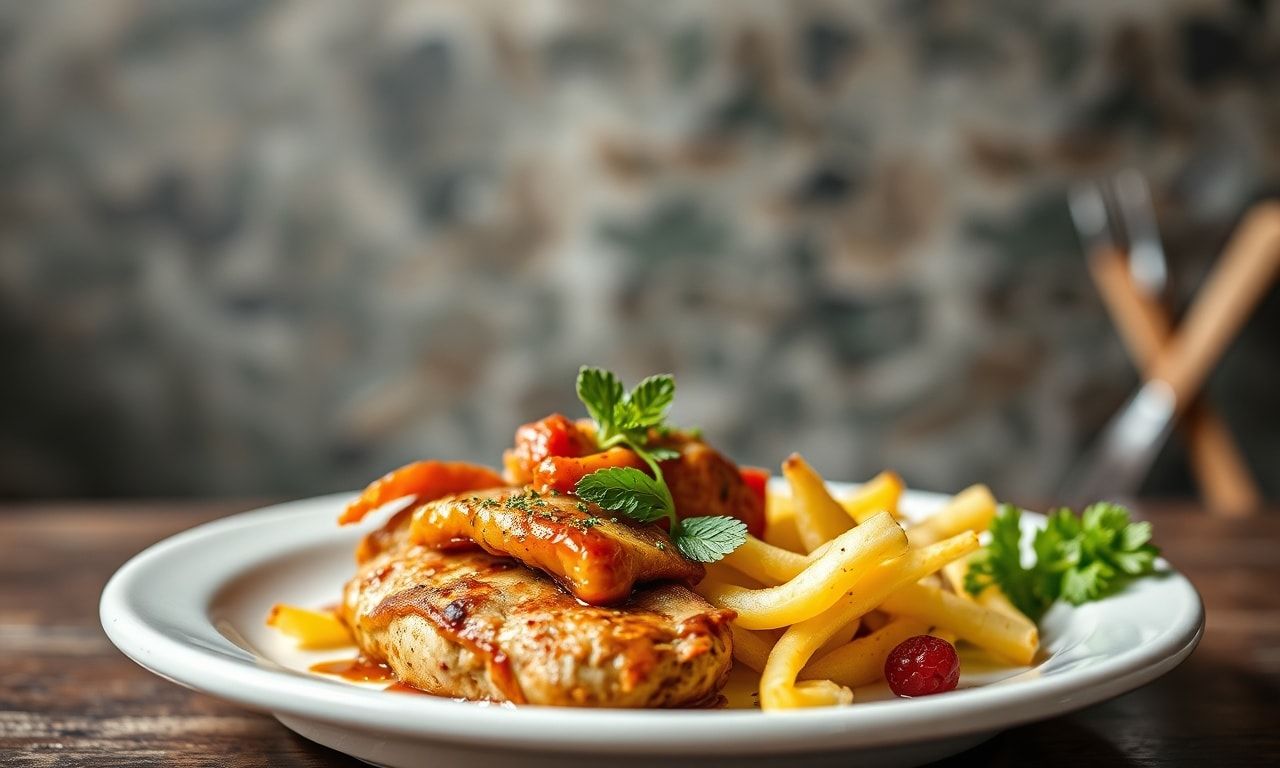
The Evolution of London’s Food Culture
London, a city renowned for its rich history and cultural diversity, has seen a significant transformation in its culinary landscape over the past few decades. The capital’s food scene is a vibrant tapestry woven with threads from every corner of the globe, reflecting the city’s multicultural population. This evolution has been driven by immigration, globalization, and a growing appreciation for diverse cuisines among Londoners.
From the bustling streets of Brick Lane to the trendy eateries of Shoreditch, London offers a gastronomic journey that caters to every palate. The city’s culinary scene is not just about fine dining; it encompasses street food, pop-up restaurants, and food markets that have become integral to the city’s identity. This article explores the dynamic food culture of London, highlighting the influences that have shaped it and the trends that are defining it today.
The Influence of Immigration on London’s Food Scene
Immigration has played a pivotal role in shaping London’s culinary landscape. The city has long been a magnet for people from around the world, each bringing their unique culinary traditions. This influx has led to a proliferation of restaurants, cafes, and food stalls offering authentic dishes from various cultures. For instance, the presence of a large South Asian community has given rise to a plethora of Indian, Pakistani, and Bangladeshi restaurants, offering everything from fragrant curries to delicate samosas.
Similarly, the Chinese community has contributed to the popularity of dim sum, Peking duck, and other regional specialties. The Vietnamese community, though smaller, has made a significant impact with the introduction of pho, a flavorful noodle soup. For those interested in recreating this dish at home, a how to make authentic pho at home guide can be a valuable resource. These culinary contributions have not only enriched the city’s food culture but also fostered a sense of community and cultural exchange.
The Rise of Street Food and Food Markets
Street food and food markets have become synonymous with London’s culinary scene. These venues offer a platform for local and international vendors to showcase their culinary skills and introduce Londoners to new flavors and cooking techniques. The Borough Market, Camden Market, and Maltby Street Market are just a few examples of the many food markets that have become popular destinations for food enthusiasts.
Street food vendors often experiment with fusion cuisine, blending traditional recipes with modern twists. This innovative approach has led to the creation of unique dishes that appeal to a wide range of tastes. The popularity of street food has also been boosted by the rise of social media, where food bloggers and influencers share their culinary discoveries with a global audience.
The Impact of Globalization on London’s Food Culture
Globalization has had a profound impact on London’s food culture. The ease of travel and the availability of ingredients from around the world have made it easier for chefs and home cooks to experiment with new recipes and cooking techniques. This has led to a greater appreciation for international cuisines and a willingness to explore new flavors.
Moreover, the internet has played a crucial role in disseminating culinary knowledge. Online platforms offer a wealth of information on cooking techniques, recipes, and food trends. This has empowered home cooks to try their hand at making dishes from different cultures, fostering a sense of culinary adventure and exploration.
Trends Shaping London’s Culinary Future
The future of London’s culinary scene is shaped by several emerging trends. Sustainability and ethical sourcing are becoming increasingly important to consumers. Many restaurants are now focusing on locally sourced ingredients and sustainable practices to reduce their environmental impact. This shift towards sustainability is not only beneficial for the planet but also enhances the quality and freshness of the food.
Another trend is the rise of plant-based and vegan cuisine. As more people adopt plant-based diets for health, environmental, and ethical reasons, the demand for vegan and vegetarian options has surged. London’s restaurants are responding to this demand by offering innovative plant-based dishes that cater to a wide range of tastes and preferences.
Additionally, the concept of ‘food tourism’ is gaining traction. Food enthusiasts are increasingly traveling to different cities and countries to experience local cuisines. London, with its diverse food culture, is a prime destination for food tourism. The city’s culinary offerings provide a unique opportunity for visitors to explore the world through food.
Conclusion
London’s culinary scene is a testament to the city’s cultural diversity and dynamic food culture. The influences of immigration, globalization, and emerging trends have shaped a food landscape that is as vibrant as it is diverse. From traditional dishes to innovative fusion cuisine, London offers a gastronomic journey that caters to every palate. As the city continues to evolve, its culinary scene will undoubtedly remain a key attraction for both locals and visitors alike.
In the midst of global culinary trends, Fukuoka’s food scene evolves with a unique blend of heritage and contemporary influences.
In the realm of sports and recovery, a new article examines the role of massage chairs and their impact on athlete performance and rehabilitation.
In the realm of community engagement and education, radio station boosts learning programs offers a glimpse into innovative initiatives transforming local outreach.